Editor's Note: Welcome to our monthly roundtable discussion. Each month, our five student editors will come together to debate a major issue shaping our world. This transcript has been lightly edited for length and clarity.

Yonghyuk Choi
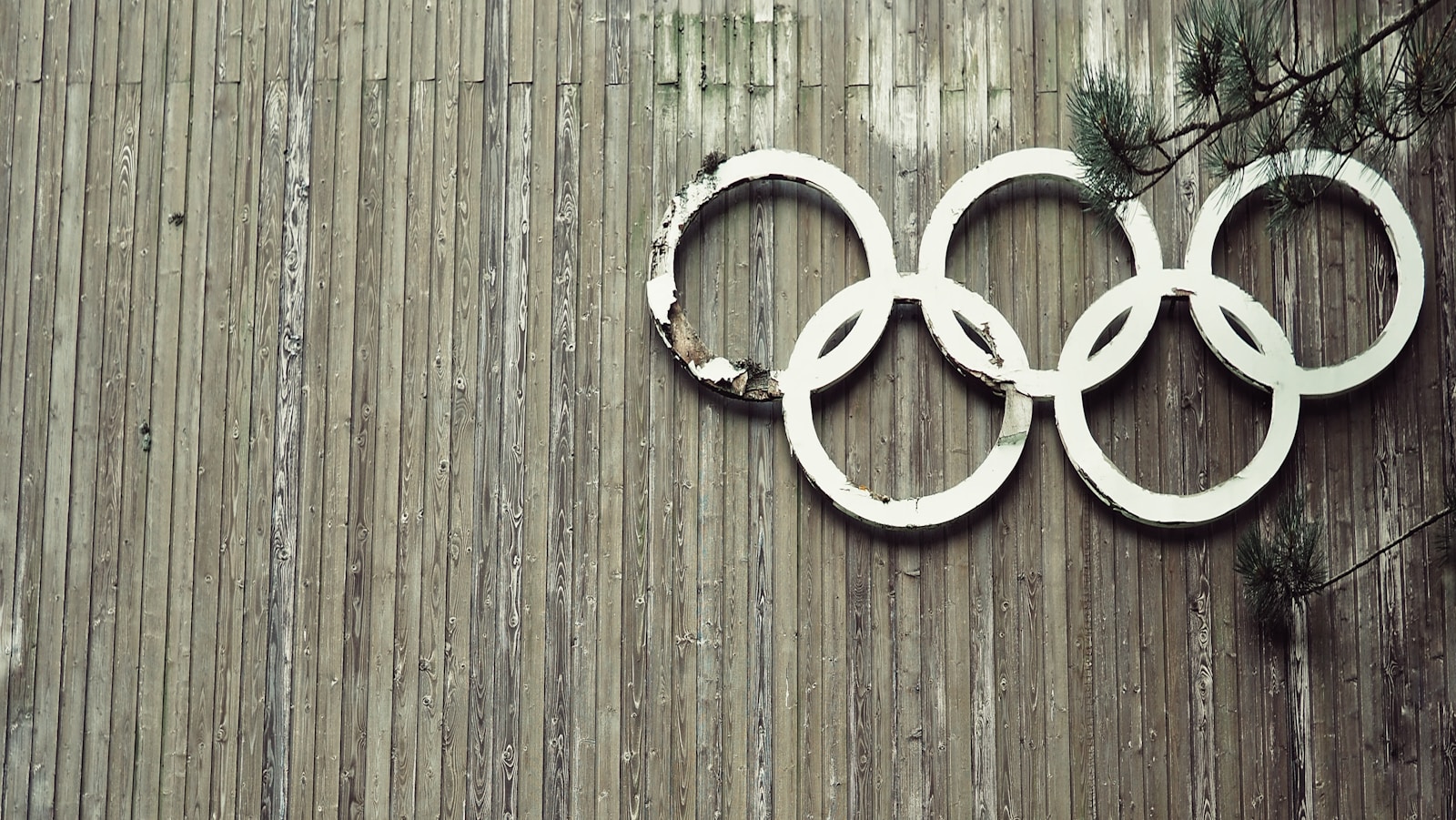
So, the Paris Olympics are in full swing. For two weeks, we get to watch these incredible athletic performances and celebrate these inspiring human stories. The official narrative of the Olympics, the one we've been taught since we were kids, is that it's a moment when the world comes together, sets aside its differences, and celebrates our shared humanity. My question for the group is: in the world of 2024, is that still true? Or is the Olympic ideal just a nice story we tell ourselves every four years?

Minwoo Jung
From a political perspective, I think it's largely a fiction. The Olympics have always been, and continue to be, a theater for geopolitics. This year, the most obvious example is the decision to ban the Russian and Belarusian national teams, but to allow their athletes to compete as "neutrals." This is a messy, unsatisfying compromise that has pleased no one. It has angered Russia, but it has also been criticized by Ukraine as being too lenient. It shows that even the International Olympic Committee (IOC) cannot escape the political realities of the world's great power conflicts.

Saerom Kim
But isn't there still value in the spectacle and the individual stories? I've been watching here in the US, and for a couple of hours each night, the focus really is on the athletes. You get to learn about the incredible journey of a gymnast from a small town, or a swimmer who has overcome an injury. It feels like a rare moment of shared cultural experience. For a little while, we're not talking about politics; we're talking about a perfect dive or a photo finish. That feels important, even if it's temporary.

Anthony Min
It's important, but it's also an incredibly expensive form of entertainment. Let's talk about the business of hosting the games. The price tag for the Paris Olympics is estimated to be around $9 billion, and like almost every Olympics in history, it will almost certainly go over budget. The economic argument that hosting the games is a great investment for a city has been repeatedly debunked. The massive infrastructure spending rarely produces a long-term economic benefit, and cities are often left with huge debts and a collection of purpose-built stadiums that have no use after the two-week event is over.

Yehee Jung
There's also a significant public health aspect to consider. Bringing millions of people from every corner of the world into one city is a massive logistical challenge, especially in a post-COVID world. It requires a huge public health surveillance operation to monitor for potential disease outbreaks. And there's the environmental impact. While the Paris organizers have made a big effort to create a "green" games, the carbon footprint of flying in thousands of athletes, officials, and tourists is enormous.
Yonghyuk Choi
So we have the political conflicts, the questionable economics, and the public health risks. It sounds like we're all a bit cynical about this. But I have to admit, when I watch an athlete who has dedicated their entire life to one moment finally win a gold medal and see the joy on their face, that cynicism melts away for a minute. That human drama is real, and it’s powerful. Maybe the "Olympic ideal" doesn't exist at the level of nations, but it still exists at the level of the individual athlete.
Minwoo Jung
I think that's a fair point, Yonghyuk. But we have to be careful not to let those powerful individual stories blind us to the larger political and economic structures that surround them. We can celebrate the athlete while still being critical of the institution.
Closing statements
Yonghyuk Choi
The Olympics are a fascinating paradox: a global event whose most powerful moments are the intensely personal stories of individual athletes.
Anthony Min
Hosting the Olympics is almost always a losing economic proposition for the host city, a triumph of prestige over fiscal prudence.
Saerom Kim
For two weeks, the games provide a rare and valuable sense of a shared global experience in an increasingly fragmented world.
Yehee Jung
The immense logistical challenge of ensuring the health and safety of millions of global visitors is a feat of public health planning that is often overlooked.
Minwoo Jung
The Olympics are, and have always been, a primary stage for the performance of national pride and geopolitical rivalry, and this year is no exception.
What do you think? Do the Olympics still have the power to unite us, or are they an expensive relic of a bygone era? Let us know your thoughts in the comments below.