
For two days it looked like a coronation. For one day it looked like a collapse. And for the whole week it sounded like nothing golf has ever heard.
Europe won the Ryder Cup at Bethpage Black, 15–13. First away win by either side since Medinah in 2012. Shane Lowry rolled in a birdie on the 18th to halve his match and keep the cup, and that was that. Luke Donald's team built an 11.5–4.5 monster of a lead through Saturday, then survived an American singles charge on Sunday that turned a rout into a genuine heart-stopper. As pure sport? Magnificent.
But the golf isn't what people will remember about Bethpage.
And that's the problem.
The Thirteenth Man
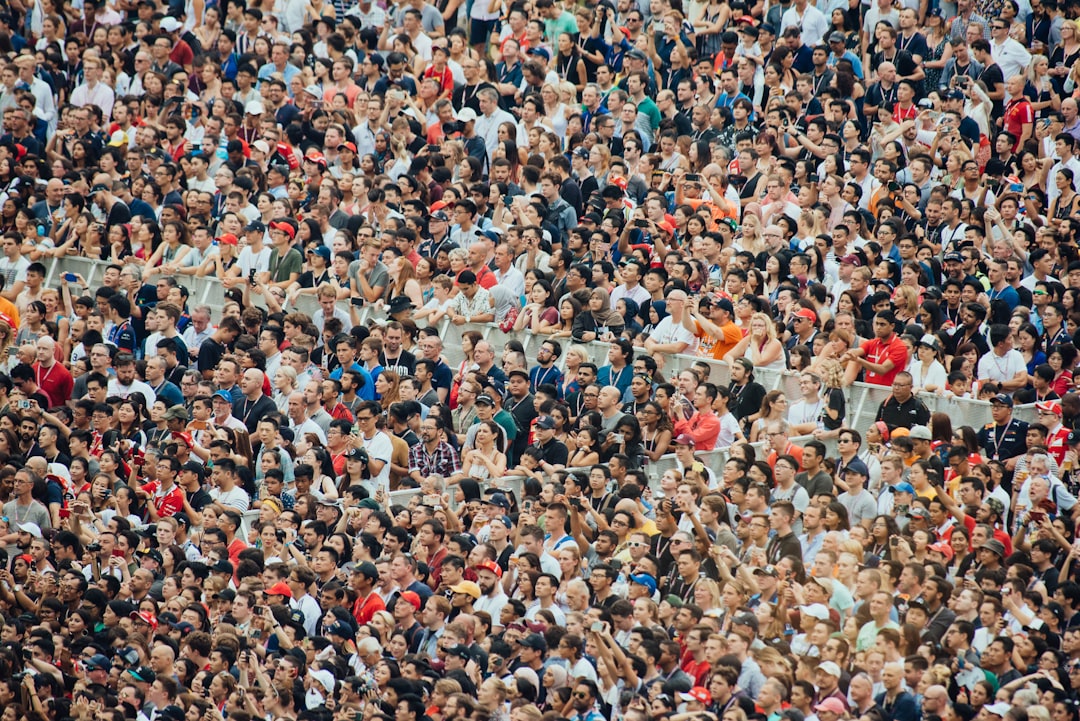
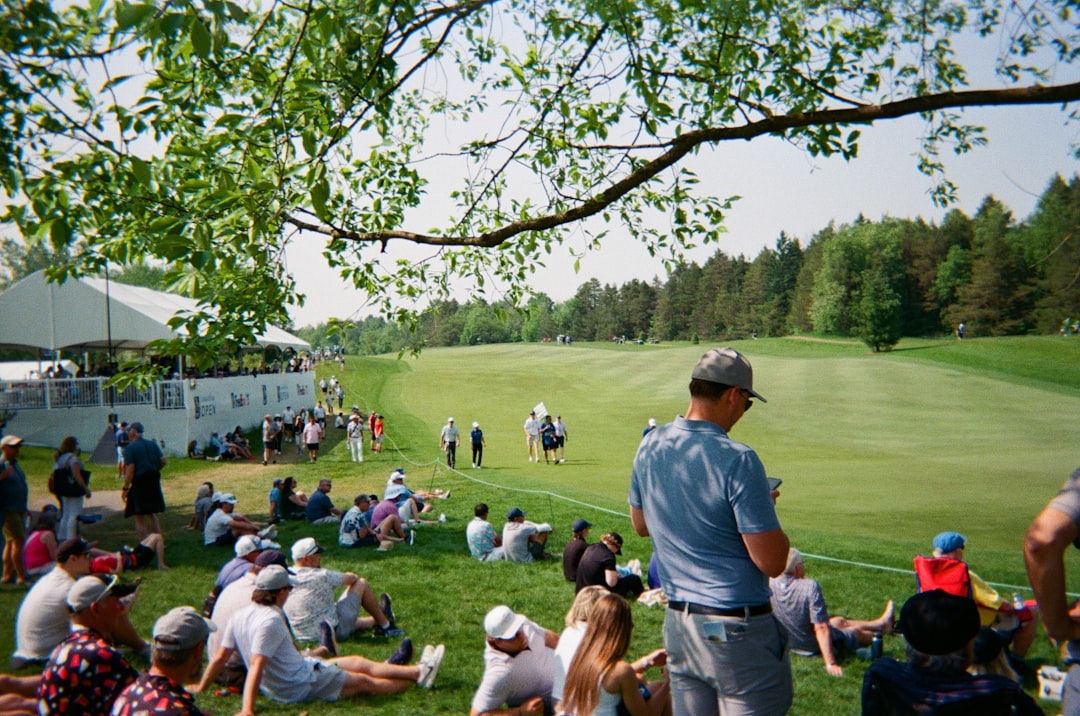
The Ryder Cup is the one week golf drops its cathedral-quiet act, and I love it for that. The chanting. The costumes. Roars rolling across a course like weather. Home crowds are supposed to be a force. Players talk openly about the "thirteenth man," and organizers build first-tee grandstands like coliseums for a reason.
New York was expected to push all that to its limit. It went past the limit. Rory McIlroy got heckled relentlessly, not with wit but with venom, to the point where he refused to hit shots until spectators were removed. Somebody threw a drink in the direction of his wife. His wife. The abuse got personal, ugly, constant, and it wasn't confined to one player or one hole. By Sunday, officials from the PGA of America were issuing formal apologies. A host organization, saying sorry for its own crowd. I've watched golf my whole life and never seen anything like it. Granted, my whole life isn't that long yet. Still.
Mob Economics
Look. That crowd wasn't an accident. It was a product, carefully assembled and sold.
Tickets for this Ryder Cup made headlines all by themselves. Hospitality suites, premium passes, sponsor activations. The modern Ryder Cup is engineered as a three-day festival where the rowdiness is the atmosphere being sold. The organizers didn't invent New York sports fandom, but they marketed straight into it. You can't spend years advertising the loudest, most hostile show in golf and then act shocked when it turns hostile. Skeptics warned the line between atmosphere and abuse was thin. It was exactly that thin, and the sport walked its paying customers right up to it.
And this goes way beyond golf. Leagues everywhere are in the atmosphere business now. They sell intensity: supporter sections, rivalry weeks, mic'd-up trash talk chopped into content. Intensity is valuable precisely because it's a little dangerous. Bethpage is what happens when the product works too well.
Europe Knew
Credit where it's due. Europe treated the hostility as a competitive variable and planned for it — reportedly even simulating abuse in practice sessions so nobody would hear anything new on Friday. That's the cold, professional way of saying something warmer: they refused to let the week be about grievance. McIlroy, the primary target, played some of the most defiant golf of the event. Old truth in team sports: shared adversity is the best bonding agent money can't buy. The away team got a full week of it, free of charge.
The result punctures a piece of conventional wisdom, too. Home advantage in the Ryder Cup had started to look almost mechanical. Set up the course your way, feed off your crowd, win. Except a crowd that crosses into ugliness hands the visitors something to unite against while its own team plays under a mountain of expectation. The thirteenth man can score own goals.
Now What?
The easy answer is more security, quicker ejections, cutting off the beer earlier in the day. Some of that is plainly necessary. The harder question is identity. The Ryder Cup's magic comes from being golf's one glorious exception: partisan, loud, tribal. Nobody wants it sanitized into a regular tour event with flags. I'd chain myself to a grandstand in protest. Okay, I'd write a strongly worded column. Same energy.
But tribal and cruel are different things, and a sport that can't say which is which will keep drifting toward whatever its loudest customers want. The best crowds in world sport, the ones other stadiums envy, are ferocious about their team without being vicious about human beings. That standard is achievable. For long stretches at Bethpage, it simply wasn't enforced. And everyone in the sport knows it.
Europe leaves with the cup, deservedly. America leaves with a Sunday rally worth remembering and a week it would rather forget. And the Ryder Cup leaves with two years to figure out, before the next home crowd assembles, exactly what kind of loud it wants to be.