
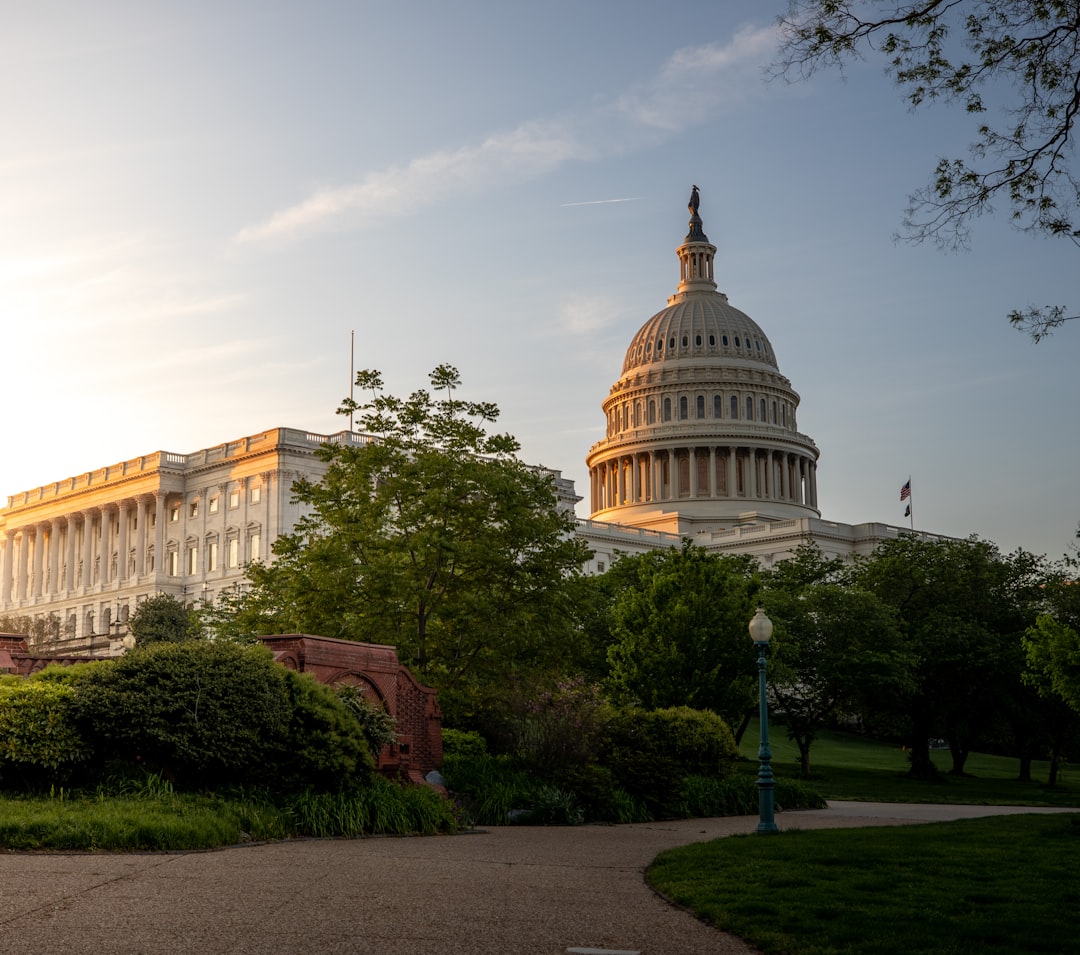
At midnight on October 1, the world's largest economy switched part of itself off. Congress failed to pass the funding bills that keep federal agencies operating. The machinery of the American state began a shutdown: workers furloughed, offices shuttered, "essential" employees ordered to work without pay until further notice.
No other advanced country does this with any regularity. Readers outside the United States usually react with disbelief. Reasonable. But a shutdown is not really a budget story. It is a story about one strange piece of financial architecture, and about a bargaining tactic that hardened into a routine.
The Tripwire
The federal government can spend only money Congress has appropriated. That rule comes from the Constitution. The shutdown comes from a stricter law, the Antideficiency Act, which forbids agencies from spending without an appropriation. No funding bill, no legal authority to operate. The tripwire is armed every year. It fires whenever the two parties, or factions within them, prefer a standoff to a compromise.
A shutdown is not the government running out of money. The United States can borrow. Its debt is the most traded asset on Earth. A shutdown is the government forbidding itself to spend money it could easily obtain. A hostage standoff in which the hostage, the ransom, and both negotiators are the same entity.
Who Pays
The costs arrive in an unfair order. Federal workers first. Hundreds of thousands furloughed. Hundreds of thousands more, air traffic controllers and airport screeners and food inspectors, required to work unpaid. History says they receive back pay when it ends. Back pay does not cover a rent check that was due in the meantime.
The pain then radiates to everyone adjacent. Contractors often never get made whole. The sandwich shop next to the closed federal building sells fewer sandwiches. The family waiting on a small-business loan or benefits paperwork waits on a dark office.
The broader economy bleeds more slowly. Estimates from past shutdowns put the damage at measurable fractions of quarterly growth per week. Most of it returns afterward. Not all. The subtler cost is informational. The government is also the economy's measuring instrument, and a shutdown can delay the jobs reports and inflation data that markets and the central bank steer by. The plane switches off some of its own instruments and keeps flying.
The Shrug
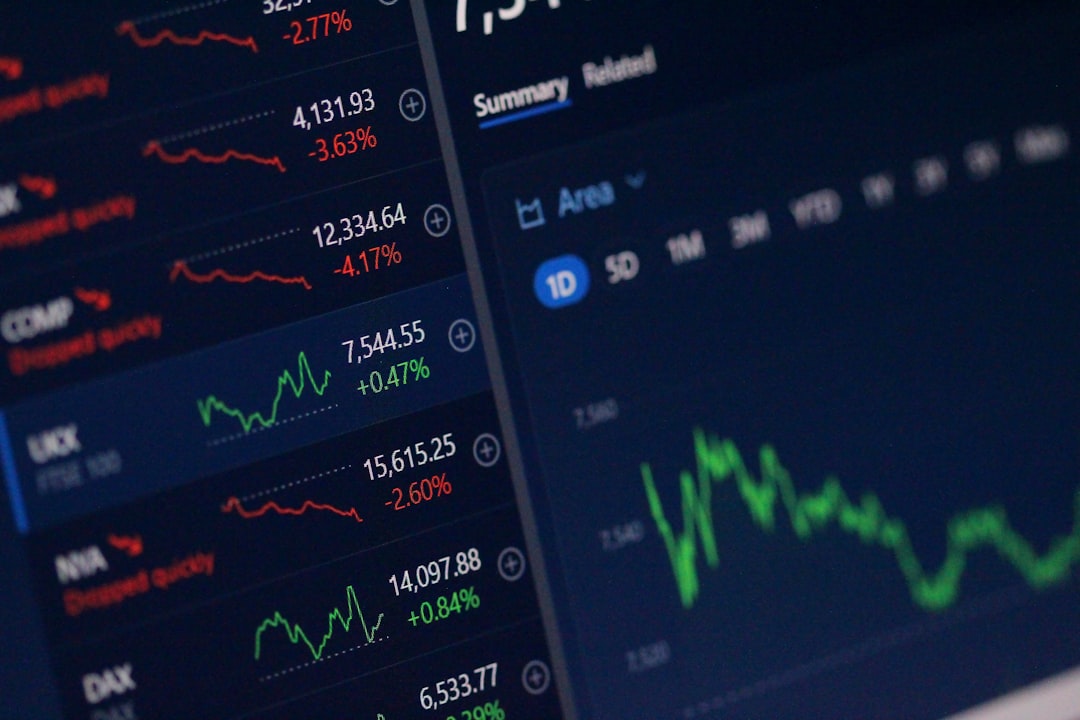
Markets barely moved this week. That puzzles newcomers to finance. It has a plain explanation. Investors have seen this movie and price it as political theater with a known ending. The calm is mostly rational. A shutdown, unlike a debt-ceiling standoff, does not threaten default on US bonds. Default is the radioactive scenario. This is not that.
The calm has a cost of its own. Follow the incentives. Every uneventful shutdown teaches politicians that the tactic is cheap. Cheap tactics get reused, and reused tactics run longer. The dysfunction gets normalized and priced in, until some future standoff lands on a worse day and collides with a real crisis. Credit-rating agencies have already cited this exact pattern of brinkmanship in their dimming assessments of American governance. Markets forgive routine dysfunction right up until they abruptly don't.
The Ledger
Nobody knows this week how long the shutdown will last. They end when the political pain exceeds the political benefit, and no economist models that variable. What can be counted is the cumulative bill from decades of the tactic: billions in lost output, eroded trust in the state as an employer and counterparty, and a recurring global advertisement that the world's anchor economy periodically cannot perform the most basic function of a government, which is to keep itself open.
The United States remains an economic marvel. Innovative, deep, resilient. But resilience enables bad habits. A country that keeps proving it can survive self-inflicted wounds keeps inflicting them.