
When people say "power plant," they mean something enormous. Smokestacks, cooling towers, a chain-link fence around a humming yard. That picture is a hundred years old, and it is going out of date.
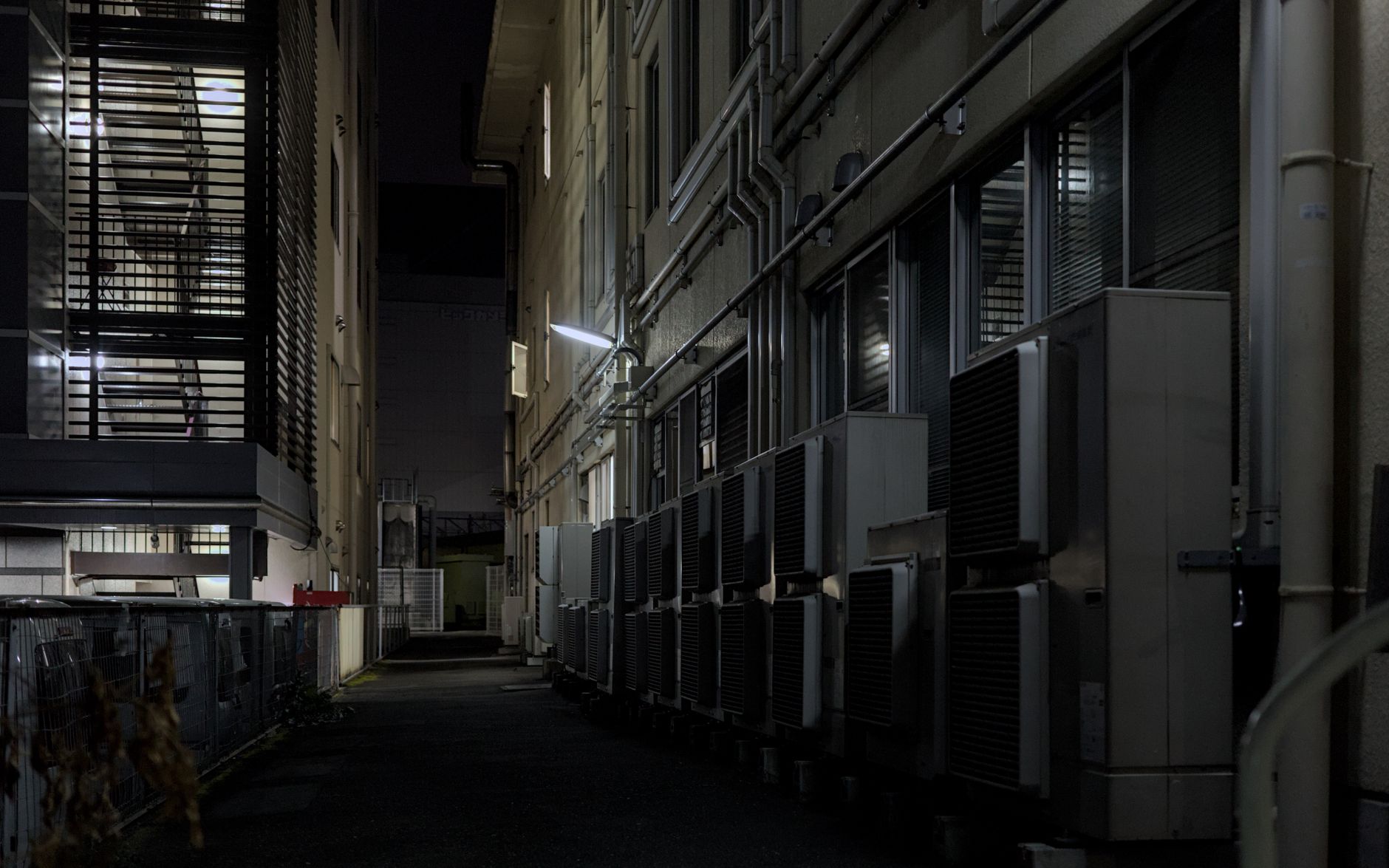
The power plant of the future might be a white box on a garage wall. Or really it is ten thousand white boxes, in ten thousand garages, that have never met each other but act, for a few hours a day, like one machine.
To see why that matters, you have to know the strange rule at the heart of the electric grid: supply and demand have to match at every instant. For most of its history, electricity could not be stored in any real amount. Every time you flip a switch, somewhere a generator works a little harder, right then. That is an odd rule to run a whole country on, but it is the rule.
So the hardest hours of the day are not the hours when we use the most power overall. They are the hours when demand jumps fastest. Usually that is early evening, when people come home, turn on the air conditioning, and start cooking, all at once, right as solar power fades with the daylight. For those few hours, grid operators have traditionally fired up "peaker" plants: expensive, usually gas-burning stations that can sit idle for most of the year and exist only to catch the evening surge. They are the grid's insurance policy, and everyone pays the premium on their monthly bill.
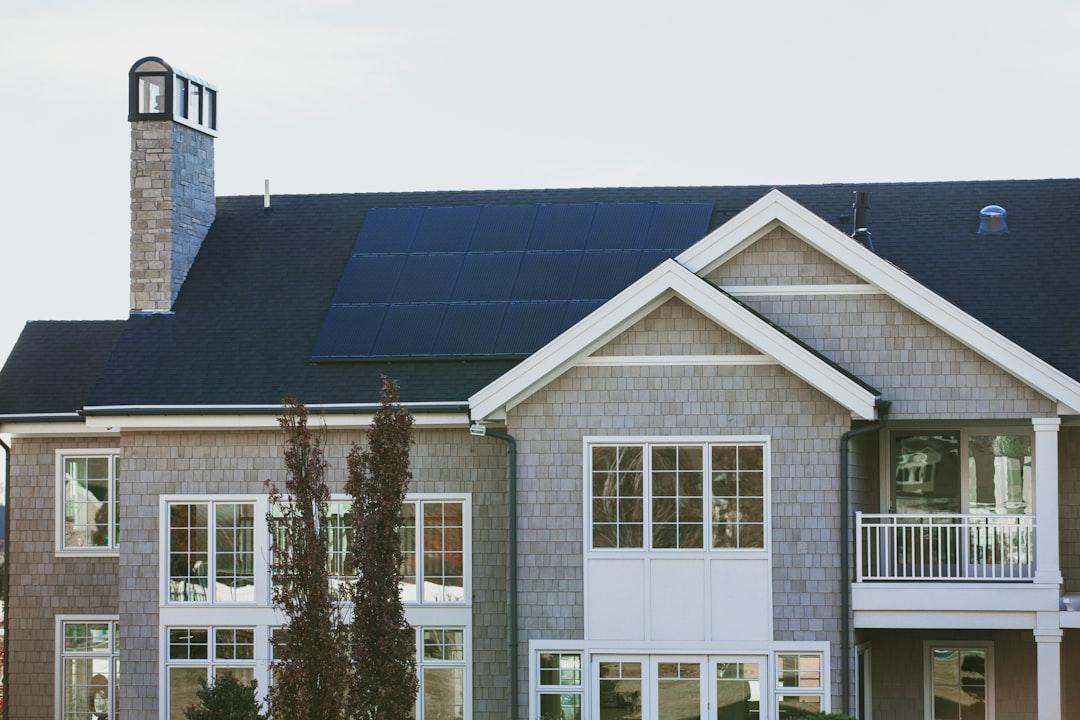
This is where the battery in the basement comes in. On its own, a home battery is a private convenience. It stores cheap solar power from the afternoon and keeps the lights on through an outage. Useful, but small.
The interesting part happens when software links thousands of them together. A utility facing an evening crunch no longer has to spin up a peaker plant. It can send a signal instead, and ten thousand home batteries each push a few kilowatts back into the grid, all at once. No smokestack, no fence, no fuel. The industry calls this a virtual power plant, or VPP, and the name is only half right. There is nothing virtual about the power. What is virtual is the plant: the coordination that used to need one giant machine in one place now comes from many small machines everywhere.
Households that join usually get paid for the service, and that changes what a battery is. It stops being a cost and starts being a tiny business. The homeowner becomes something the grid has never really had before: a supplier at the very bottom of the system, selling upward.
The climate link is direct. The great weakness of solar and wind has always been timing. The sun and the wind do not check our schedules. Storage is the answer, and the debate usually focuses on giant battery farms in the desert. Those matter enormously. But storage in houses attacks the same problem from the other end, and it comes with a bonus: it sits exactly where the demand sits. Power that is made on a roof, stored in a basement, and used in the same house never touches a long-distance transmission line at all.
Every evening spike that home batteries soak up is a peaker plant that doesn't fire. And because peaker plants are among the dirtiest and most expensive sources on the grid, shaving the peak is one of the rare climate moves that saves money and emissions in the same motion.
The fine print
It would be dishonest to stop there. The households that can afford solar panels and a storage system are, overwhelmingly, the ones that own their homes and have money to spare. If the grid of the future pays battery owners while renters and lower-income families are left buying peak-priced power, we will have built a cleaner system that is also a less fair one. Some programs are starting to work on this: leasing models, batteries built into apartment buildings, utility-owned units placed in ordinary homes. But the fairness question should get asked at the start, not patched on at the end.
There is also a trust problem. A virtual power plant is, by definition, a company reaching into your garage and making decisions about your equipment. These arrangements work when the rules are clear and the homeowner stays in charge. They will fail loudly the first time people feel their battery got drained by someone else on the wrong night.
Even so, the direction is remarkable. For a hundred years, electricity flowed one way: from the giant plant, through the wires, down to you. The battery in the basement turns the arrow around. The grid is becoming less like a broadcast and more like a conversation, millions of small participants doing together what only industrial giants could do before.
The next power plant in your neighborhood probably won't get a fence or a sign. It is a white box on a garage wall, humming next to the rakes and the bicycles.