
The politics desk of this newspaper comes with an archive, and the archive comes with a warning.
I read all of it before accepting the job. Three years of election coverage from Nigeria to the Netherlands. A youth revolt in Nepal covered like it mattered, months before everyone agreed it did. A war's end filed with hope and suspicion in the same paragraph. And then the farewell column this spring, in which my predecessor closed his ledger and left the next writer a single instruction, disguised as a compliment to the readers: the desk belongs to whoever keeps listening.
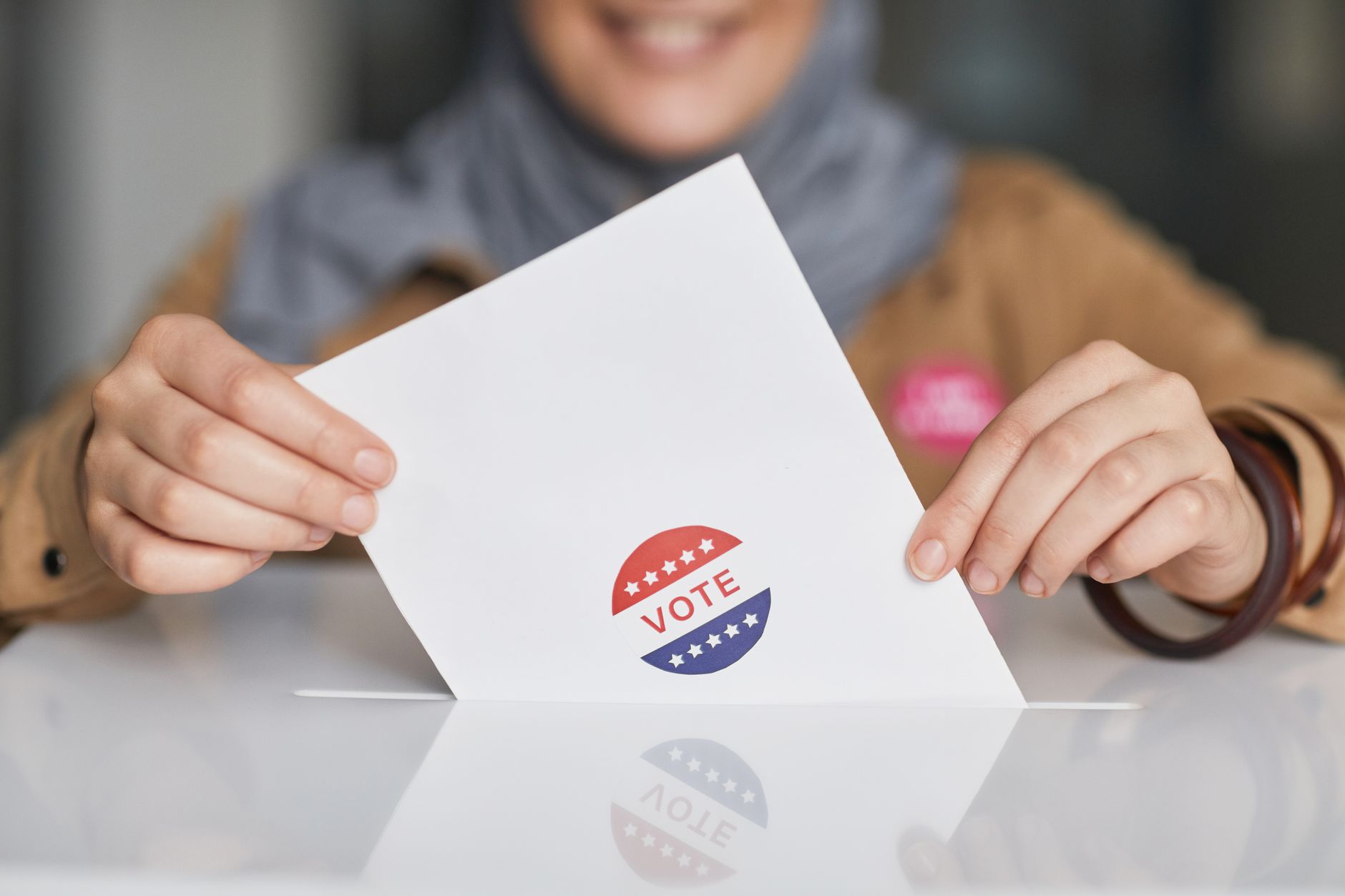
So this is a column about listening, written eight weeks before the loudest event on the American calendar.
The facts of the season, plainly. On November 3, the United States votes in its first national election of this presidency — all 435 House seats, 35 Senate seats, the whole scoreboard. The Democrats need a net gain of three seats to take the House. The Senate runs through a handful of states everyone can recite by now — North Carolina, Georgia, Texas, Maine, Michigan, Ohio, Alaska — and the analysts currently rate the House a toss-up and the Senate leaning toward the incumbents' party. The final primaries are wrapping up this month. Every number above is a snapshot, not a forecast. This desk inherited a well-documented policy on predictions, and December's confession table is not getting me in year one.
What I can offer instead is what the archive trained me to listen for.
My predecessor's last full year of coverage traced one pattern across four continents: the young, locked out of aging institutions, finding the exits — a group chat toppling a government in Kathmandu, a student movement ending a dynasty in Dhaka, a thirty-four-year-old carried into New York's City Hall by volunteers my age. He called it the Great Firing, this global impatience with incumbency, and he wondered where it would surface next.
The question I am carrying into November is whether it surfaces here, through the most ordinary door available: a midterm. Midterms are famously low-energy affairs for young voters; the textbooks say we sit them out. But the textbooks were written before the years this archive documents. Somewhere between the campus reporting and the turnout models is the real story of this fall — whether a generation that has spent three years proving it can move politics from outside the ballot box decides the inside is worth the line.
I do not know the answer. I know where to stand to hear it, because the archive taught me: not at the podiums, but in the precincts — the county clerk's registration numbers, the campus organizing meetings, the first-time-voter counts that trickle out weeks before any poll closes. Listening, it turns out, has locations.
A word about the inheritance, and then I will get to work. It is strange to take over a desk whose previous occupant's sentences you can quote from memory; I expect I will do it too often for a while, and I have decided not to be embarrassed about it. Every craft is learned by apprenticeship to someone's archive. Mine happens to be searchable.
Eight weeks to November. The desk is staffed. I am listening — and the first thing I can report, before a single vote is cast, is that this country is very loud, and the signal is in the quiet places, exactly like the archive said.