
Three years ago, this column began with a simple, slightly grandiose plan: whenever a country voted, we would pay attention. Not only the famous elections, the American spectacles and the European bellwethers, but all of it: the runoffs in Latin America, the counts in West Africa, the parliaments of small democracies doing their unglamorous work. The theory was that elections are the world thinking out loud, and that a listener patient enough to hear many of them would find patterns no single result could show.
This is my final column for The Argosy, and a ledger deserves to be closed properly. The first historian claimed he wrote so that great deeds should not be forgotten; the humbler version of that ambition is a student paper's politics column. After dozens of countries' worth of ballots, from Nigeria to the Netherlands, Argentina to Nepal, and through this strange, historic spring, the ledger supports four entries.
The first entry is brutal in its simplicity: holding office has become a liability. Across rich and poor countries, left and right, competent and corrupt, incumbents and their heirs have been fired at historic rates. Voters facing inflation, housing costs, and institutional drift did not carefully audit their governments' performance; they reached for the lever marked not this. The landslide reversals we covered in Britain and the Netherlands, the serial ejections across Latin America, a governing party's collapse in Hungary after sixteen years, revolutions in Kathmandu and Dhaka: different politics, same verb. When this era gets its history written, the chapter deserves the title The Great Firing.
The corollary matters more than the pattern. Anger is symmetric; ideology is not. The same electorates swung left and right within a single cycle, Chile firing its left and Hungary firing its right, and my own analysis kept tripping over commentators who declared a global movement every six months, in alternating directions. The voters were not converging on an ideology. They were converging on a mood.
The second entry concerns democracy's immune system, which is real, and the disease, which is equally real. I watched elections that were theater: the 98-percent coronations, the votes held with the main challengers in prison or exile, the count in Central Africa where the announcement mattered more than the counting. I learned to read the tells — turnout that no one can verify, margins that insult probability, oppositions barred on technicalities. A depressing fraction of the world's "elections" are rituals in which power certifies itself.
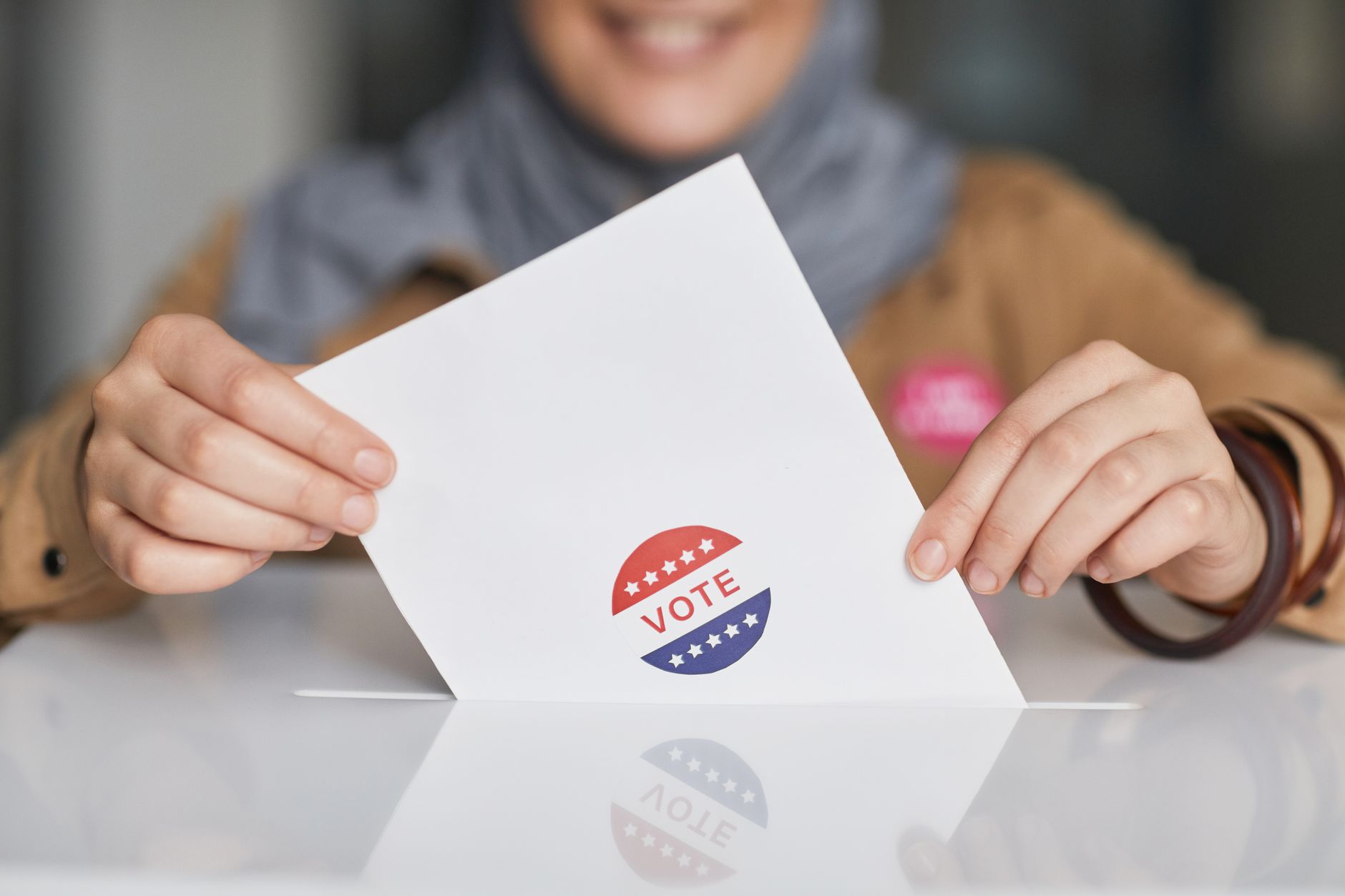
And yet the same three years kept producing the opposite story, often where least expected: machine politicians toppled by first-time voters, a comedian's-party landslide in Nepal born from a group chat, opposition victories conceded gracefully in places where concession was never guaranteed. My running tally says something no cynic and no romantic will fully like. The ballot remains the single most dangerous object ever placed in ordinary hands, and everyone in power knows it, which is precisely why so much effort goes into blunting it. You can tell what a tool is worth by watching who tries to take it away.
The third entry belongs to this column's recurring character, the voter under thirty. In Kathmandu they overthrew a gerontocracy in a week; in Dhaka they ended a dynasty; in New York they carried a thirty-four-year-old into the world's most watched city hall. Beneath every version ran the same accumulating pressure: societies whose leadership ages upward while their populations' prospects narrow will vent that pressure somewhere, through ballots where ballots work, through streets where they do not. I wrote in September that the group chat is now a branch of government. On my way out, I will go further: the defining political contest of my generation's adulthood will not be left against right. It will be whether institutions open fast enough to admit the people they were supposedly built for.
The last entry closes the ledger. I have tried, in this column, to practice a discipline I stole from the realists I admire: separate what we know from what we feel from what we hope. One entry in each, then.
What we know: this spring, as I file my last piece, the world is testing every rule I spent three years describing, with a war that crossed lines four decades uncrossed, straits closed, taboos dead, and elections still proceeding on schedule from Kathmandu to Budapest, as if to insist that the ordinary machinery matters most precisely when the extraordinary is loose. The extraordinary and the ordinary are not taking turns; they are one world on one calendar. I leave this column harder-headed than I began it.
What we feel: I will miss this more than I have let on. Filing at 2 a.m. across time zones, arguing with six friends who read every draft, discovering that a teenager in one country can care intelligently about voters in another: that was not preparation for some future life. It was the life.
What we hope: this paper taught me that hope is not a mood; it is a practice with a deadline. So, practically. Somewhere out there is the reader who will cover the elections I will not get to — the ones this fall, the ones in countries whose names this column mispronounced on the first try, the ones that will decide whether the Great Firing becomes a Great Rebuilding. The desk is yours. The world thinks out loud on a schedule. All you have to do is keep listening.
Minwoo Jung was the founding Editor-in-Chief of The Argosy and its politics columnist. The ledger is closed; the paper continues.