
Every energy crisis leaves behind a curriculum. The one that began in 1973, when Arab members of OPEC imposed an oil embargo, taught through pain: the price of oil doubled, then quadrupled, according to the State Department's Office of the Historian. Its lessons arrived as institutions: the United States created the Strategic Petroleum Reserve, set a national 55-mile-per-hour speed limit, and later imposed fuel economy standards, and Henry Kissinger proposed what became the International Energy Agency. France, with heavy engineering expertise but few energy resources of its own, decided in 1974 to rapidly expand nuclear power. That is why, according to the World Nuclear Association, it still draws about 70 percent of its electricity from reactors.
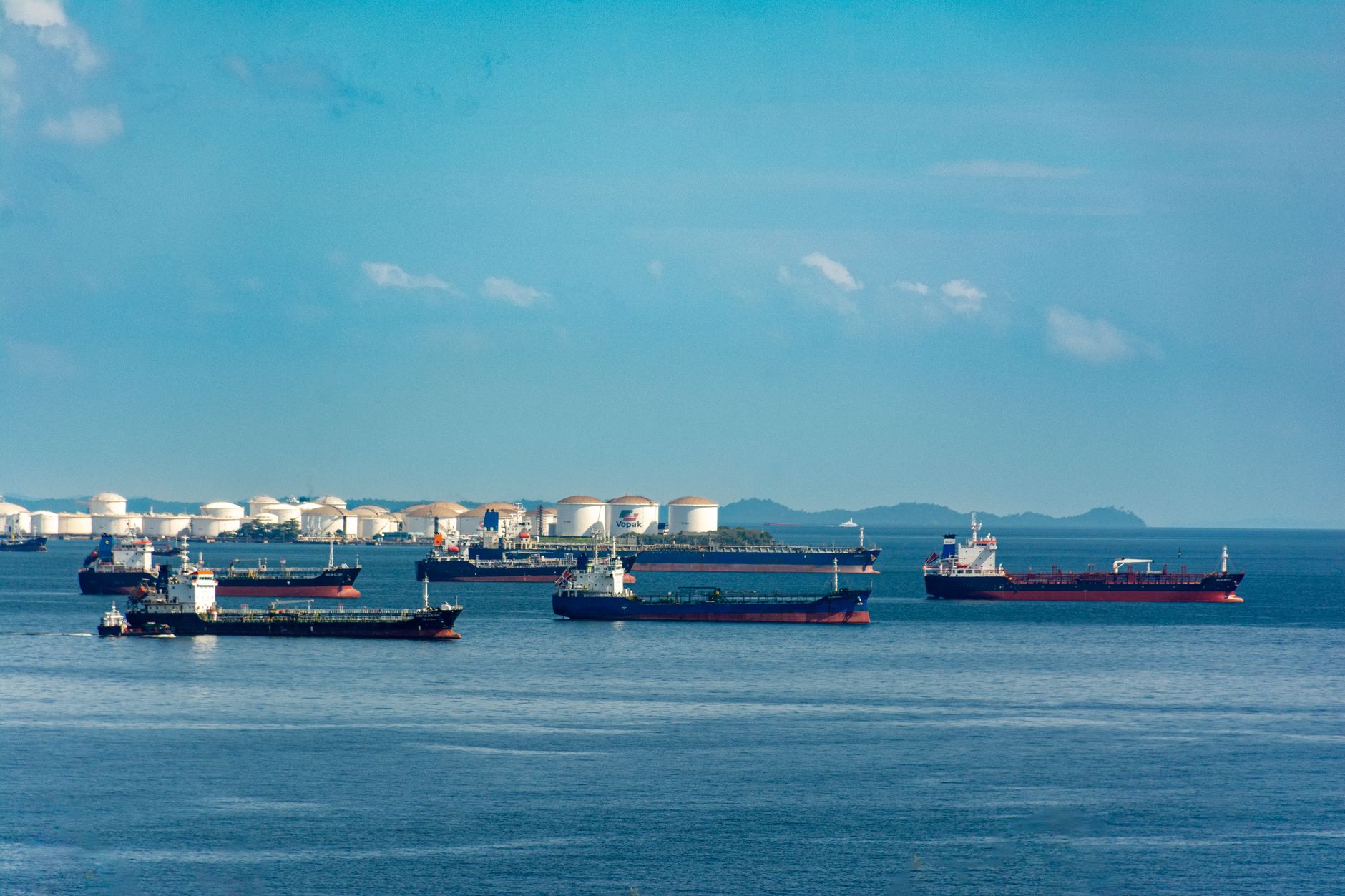
We are now seven months into the next lesson, and it is a harder one. Since the United States and Israel launched strikes on Iran in late February, the Strait of Hormuz, the channel that carries a fifth of the world's oil trade, has spent much of the year choked. By April, tankers were crossing in single digits per day, against a prewar average of 129. "We are facing the biggest energy security threat in history," the IEA's executive director, Fatih Birol, told CNBC that month. He put the loss at about 13 million barrels a day, against roughly five million in each of the 1970s shocks. The IEA released a record 400 million barrels of emergency stocks in March, and still, this month, diesel benchmarks broke $200 a barrel, an all-time high.
A Stress Test Nobody Designed
Engineers learn the most about a structure by loading it until something gives. Nobody chose this load, but the clearest readings so far are in the IEA's Electricity Mid-Year Update, published in July.
The temporary loss of nearly a fifth of global liquefied natural gas supply, the IEA found, pushed gas prices in Asia and Europe to their highest levels since the 2022 to 2023 energy crisis. Then the results diverged. In the second quarter, average wholesale electricity prices in the European Union and Japan rose more than 30 percent from a year earlier. In the United States, far less exposed to the LNG shock, they were largely unchanged. And in Australia, wholesale prices were about 45 percent lower, because, in the IEA's words, "strong generation from renewables and rapidly expanding battery storage capacity helped reduce reliance on gas-fired plants during peak electricity demand periods."
Same crisis, same global gas market, opposite result. That number is the one I want on the record.
The Unglamorous Winner
A car's shock absorber does not remove the bump. It takes the energy of the jolt, stores it for an instant, and lets it out slowly enough that the passengers barely notice. A battery does the same job for a power grid, in hours rather than milliseconds: it soaks up cheap midday solar and releases it in the evening, the exact hour when a gas-dependent grid would be paying crisis prices.
Australia installed its shock absorbers just in time, and largely in people's homes. Its Cheaper Home Batteries program launched on July 1, 2025. By May, more than 400,000 batteries holding a combined 11.2 gigawatt-hours had been installed, which Energy Minister Chris Bowen said matched what the entire utility sector had added in a year. In August, the count passed half a million. My colleague David reported two weeks ago that American home battery installations fell 27 percent in the second quarter, after the federal credit for them expired. Two countries, two policies, and a war that turned the difference into a controlled experiment.
Globally, the IEA expects renewables to overtake coal as the world's largest source of electricity this year, with solar output alone growing by about 600 terawatt-hours. The bias I always disclose applies here, so discount accordingly: this is the most encouraging stress-test reading I have seen in years.
The Ledger
The win: systems with sun and storage absorbed a shock that rattled everyone else. The cost: where the shock absorbers weren't built, the load went to coal. The IEA reports that high gas prices pushed several Asian and European countries to switch from gas to coal, and it expects carbon emissions from electricity to rise 1 percent this year. South Korea, which imports about 70 percent of its crude oil through Hormuz, announced in March that it would ease restrictions on coal plants and could extend the lives of three coal plants scheduled to close, alongside restarting five nuclear reactors and expanding renewables. The catch: the countries hit hardest, the IEA notes, include Bangladesh and Pakistan, which depend on imported LNG and have resorted to conservation measures that cut electricity use. The places least able to afford a shock absorber are the ones feeling every bump.
The Shower Campaign
Korea's response contained a second, more human kind of battery. On March 24, President Lee Jae Myung called for a nationwide energy-saving campaign, asking people to adopt twelve practices, among them shorter showers, charging phones and electric vehicles during the day, and running washing machines and vacuums on weekends.
Read that list as an engineer. Two of those three examples are not about using less energy at all, but about using it at a different time: asking citizens to act as flexible demand, shifting their load to the hours when power is plentiful. That is precisely what a battery does, automatically, every day.
Earlier this month I wrote about how most volunteers answer a call exactly once. Conservation campaigns need the opposite, the thousandth shorter shower. Asking is fast and genuinely useful in an emergency. But a battery never gets tired of being asked.
The 1970s crisis left behind reserves, speed limits, and a fleet of French reactors. This one, I suspect, will be remembered for half a million boxes on suburban walls. Crises do not choose the future. They reveal which parts of it were already built.