
Hurricane Isaias came ashore near Destin, Florida, at about 8:30 p.m. Central time on Friday, October 9, a Category 2 storm with 105-mile-per-hour winds. It was the first hurricane of an Atlantic season that forecasters had predicted would be below normal, thanks to a strong El Niño, and the first hurricane to make direct landfall in the United States in more than two years. Hours before it reached the coast it had been a Category 3. By Saturday morning it had weakened into a post-tropical storm over central Alabama.
It still did what Gulf hurricanes do to wires. By early Saturday, according to the tracking site PowerOutage.us, more than 911,000 customers in Florida, Alabama, and Georgia had no electricity. Early reports counted two deaths, one in Escambia County, Florida, and one in Birmingham, Alabama, where a tree limb fell.
What happened next is a story the energy beat does not tell often enough, because it is mostly a story of things going right.
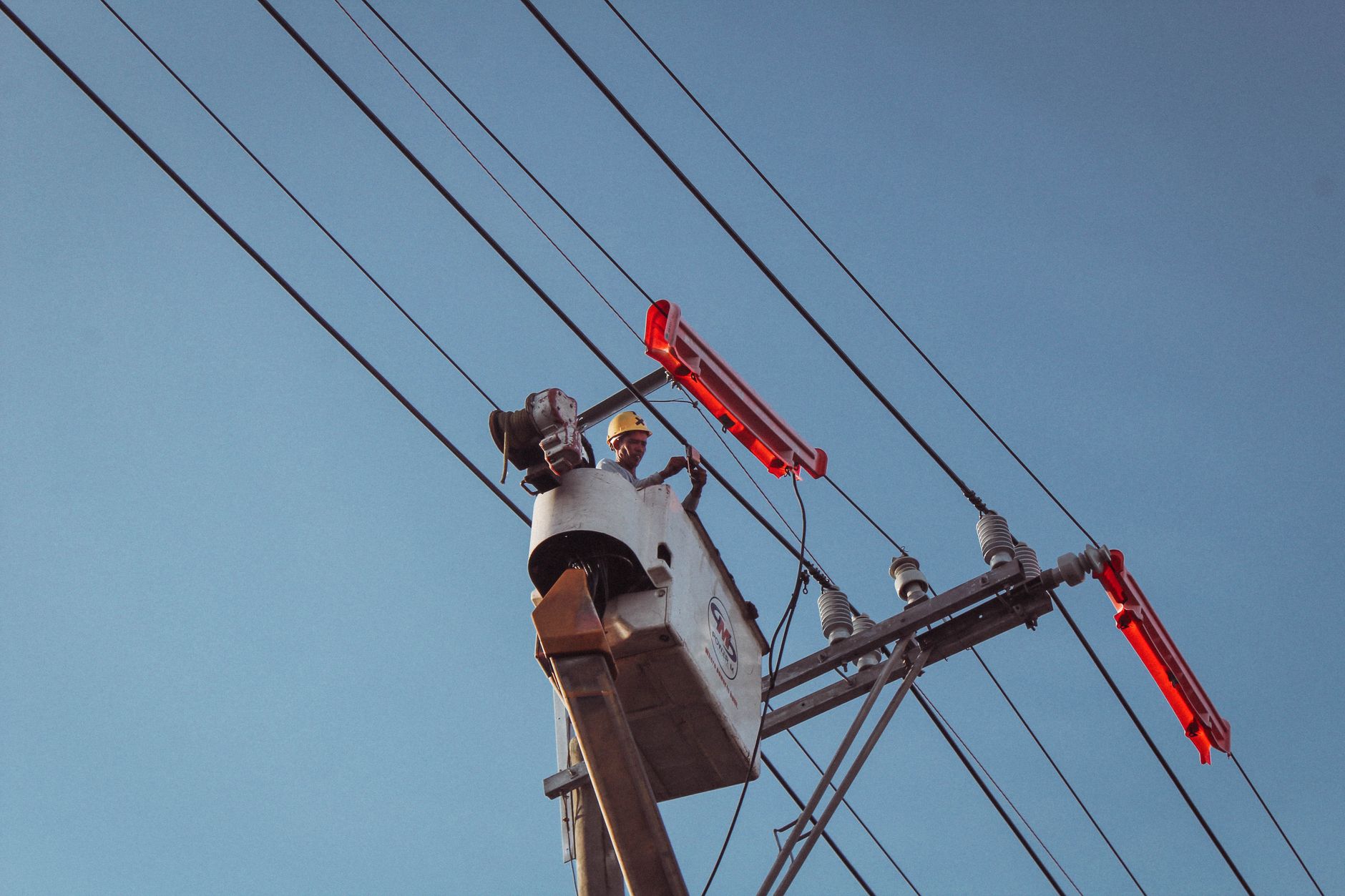
In Florida's western Panhandle, about 435,000 Florida Power & Light customers were knocked offline. Within days it had nearly 17,000 workers from 29 states in the region, running out of 15 staging sites, while drones and helicopters flew damage surveys overhead. Alabama Power, which counted more than 400,000 customer outages, brought in more than 7,400 workers from 28 states and says it restored about 95 percent of affected customers within roughly 36 hours of starting. By October 14, Florida's state government was reporting power back for 95 percent of affected customers there, too.
Line crews driving in from half the country to rebuild someone else's grid is one of the great cooperative habits of American infrastructure, and it rarely gets credit outside the trade press. So: credit.
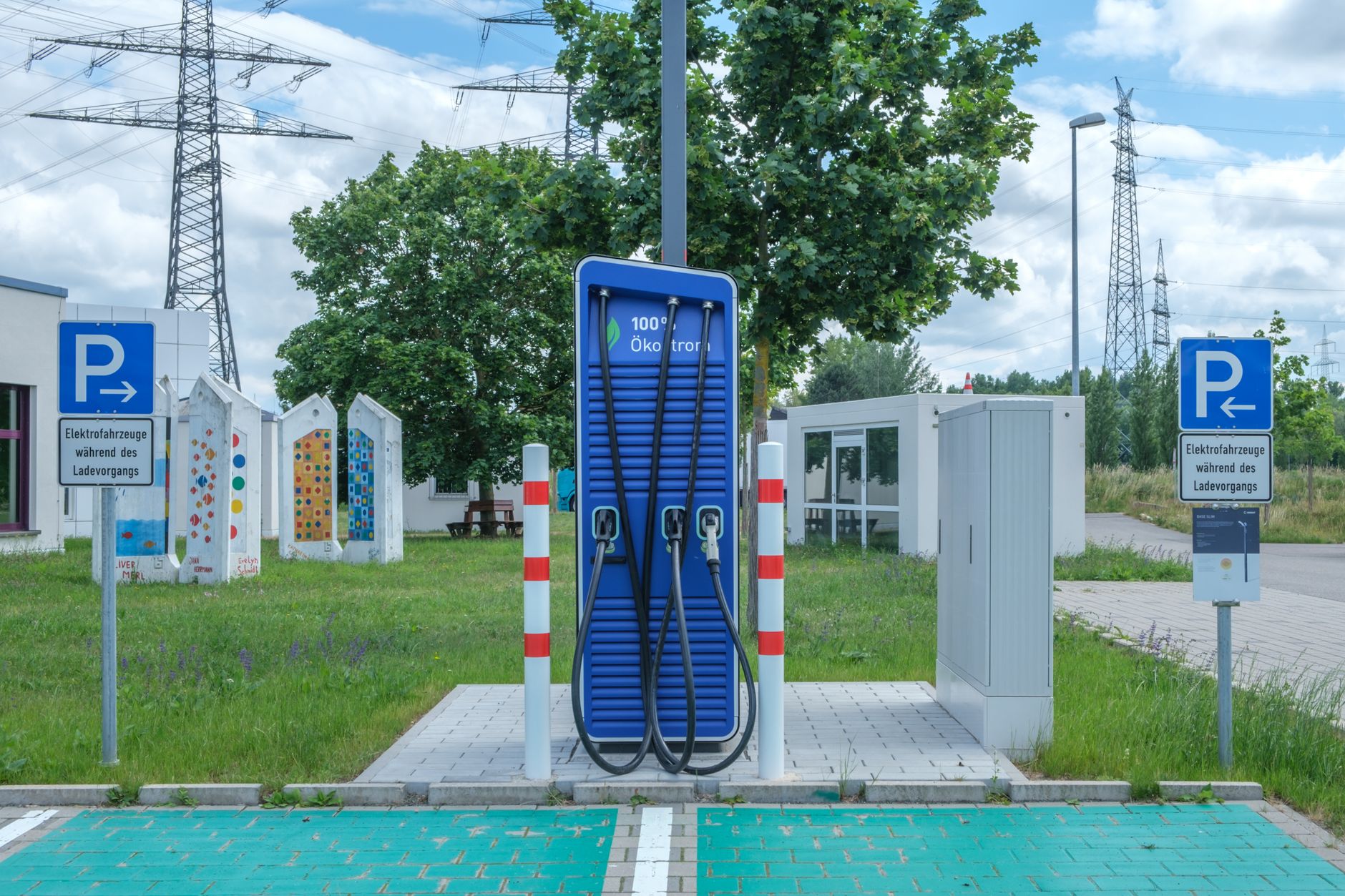
The grid itself also fought back. FPL says its smart-grid technology prevented more than 141,000 outages. Alabama Power says its own outage-prevention technology kept more than 69,000 customers from extended outages. And FPL reported a number I would put on a billboard: its underground power lines performed more than eight times better than its overhead ones.
The denominator
Now the audit, because a percentage is only as honest as what it divides by.
The 95 percent figures are real, but restoration does not happen evenly. It happens fastest where repairs are easiest, which means the last few percent are, almost by definition, the hardest places: the most damaged neighborhoods, the most fallen trees, the roads still blocked. In Florida, that meant Escambia and Santa Rosa counties, where crews were still working after six other counties were essentially done. In Alabama, the company named Escambia and Monroe counties, and the town of Brewton among the hardest hit. FPL even revised its own target downward mid-restoration, from 95 percent to about 85 percent by Monday, after, as CEO Scott Bores put it, "we discovered the tree damage to our system was much more severe and widespread than our initial estimates showed."
There is a quieter detail in FPL's updates that is worth reading twice. Its restoration estimates exclude customers whose homes or businesses cannot safely accept service. That is a sensible engineering rule. A house with its wiring torn open cannot be safely energized, whatever the line crew does. But it means the people whose homes were damaged most are not in the denominator at all. When the number says "essentially complete," it is complete for the houses still standing in good enough shape to plug in.
And electricity is only the first utility. As of October 14, boil-water notices were still in effect in seven Florida counties, including Escambia and Santa Rosa, and the state was still working to restore water service to health care facilities in Escambia County. Special-needs shelters remained open in Santa Rosa. None of that shows up in a power restoration percentage.
Kaleb Fain, an Alabama Power lineman who worked in Brewton, said it plainly in the company's own wrap-up: "We know the days following Hurricane Isaias were difficult for many families across this area." The last five percent is not a rounding error. It is a list of addresses.
The fine print
Who pays to make the next storm smaller? In Florida, the answer was largely written in 2019, when the legislature passed a storm protection law requiring utilities to file ten-year plans for hardening their systems, including burying more lines. The law created a separate yearly process for utilities to collect the cost of those projects from customers. At the time, the state's Office of Public Counsel, which represents ratepayers, objected to letting utilities collect projected costs before work was finished.
That is the trade on the table every hurricane season. Underground lines held up eight times better during Isaias, and under Florida's law, much of the cost of that resilience can be collected through customers' monthly bills. I think it is a trade worth making, especially along a coast this exposed. But it is a trade, and the people who pay for it deserve to see the receipt, including where the buried lines go first.
When I wrote last December about storms that keep breaking the statistics, the lesson was that the old odds no longer describe the coast we live on. Isaias adds a smaller lesson about the grid. The restoration machine works. The places it reaches last are the places a storm hit hardest. The next time a utility announces 95 percent, the right question is not how fast. It is who is in the other five.