
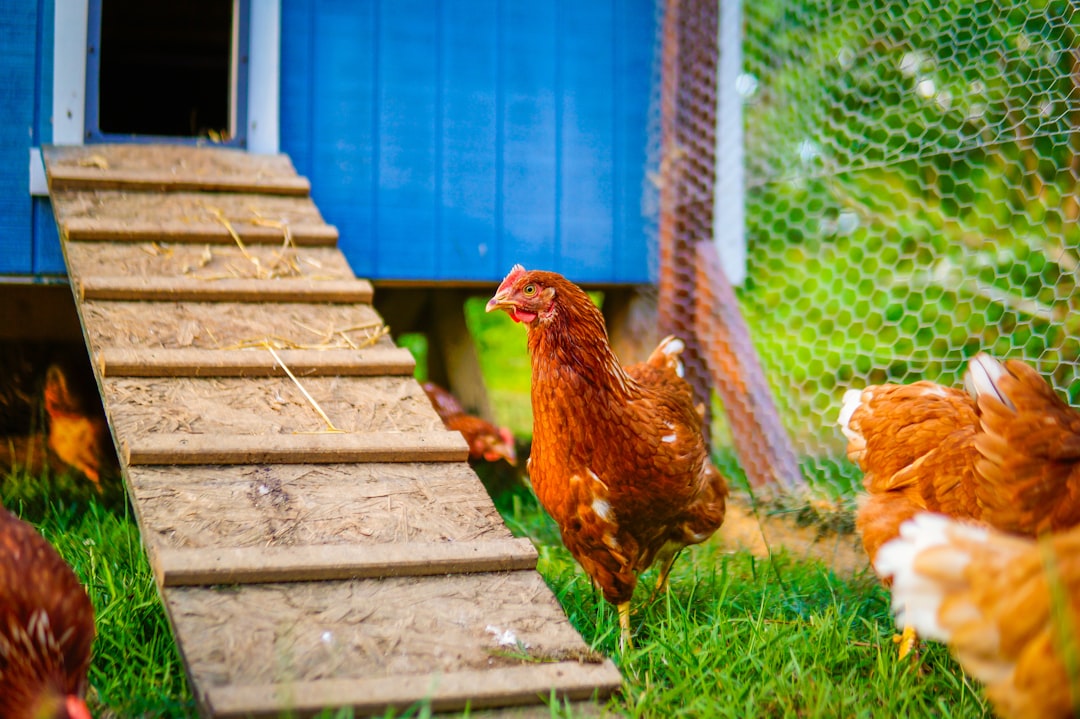
A patient in Washington State died on Friday. An older adult, with underlying conditions, from Grays Harbor County. The likely exposure: a backyard poultry flock that had contact with wild birds. The virus: influenza A(H5N5), and this was the first confirmed human case of it anywhere, ever.
One case. One death. No sign of spread to anyone else.
If you saw this story at all, you probably saw it for about four seconds between larger headlines. My job this week is to slow those four seconds down, because "first ever" is a phrase that deserves more attention than it gets — and less panic than it invites.
Start with what the letters mean. Bird flu viruses get sorted by two proteins on their surface, H and N. The H5N1 lineage is the one health agencies have tracked for years as it moved through wild birds, poultry farms, and dairy cattle. H5N5 is a close relative carrying a different N protein. Different name, same family, same basic situation: a virus that is very good at infecting birds and, so far, very bad at infecting people.
That "so far" is the entire discipline of flu surveillance. The concern with any H5 virus has never mainly been the individual tragedy of a farm exposure. It is the possibility of the virus learning to pass from person to person. So when a first human case appears, investigators ask one question before all others: did anyone around the patient get sick?
Nobody did. Contacts were monitored. No transmission. The CDC and the WHO both assessed public risk as low. In triage terms, this case sorts into the category of important to specialists, not dangerous to you.
Two things are still worth carrying out of the story.
The first is that the system worked, and the system is not free. A single unusual infection in one county was detected, sequenced, and reported to the world within days — because laboratory networks and disease surveillance exist and are staffed and funded. Reports like this one are not signs that things are falling apart. They are receipts showing the alarm system is on. The months to worry about are the ones where you stop seeing such reports, and this fall, with the United States stepping back from parts of the global health system, the staffing behind those receipts is worth watching.
The second is who these stories land on. Nine months had passed since the country's last human bird-flu case. The people at the front of that risk are not the general public. They are poultry workers, dairy workers, and people who keep backyard flocks — often rural, often uninsured, usually the last to see a doctor when a fever starts. Every plan for "pandemic preparedness" is really a plan about whether those particular people get protective equipment, testing, and care they can afford. That is my desk's standing question, and it will come up again on this beat: not whether the science can see the virus, but who gets seen.
One case, then. Read correctly: not a warning siren, but a meter reading from a monitoring system doing its job — and a reminder of which waiting rooms the next reading will come from.