
There is an ancient symbol called the ouroboros: a serpent eating its own tail, forming a perfect circle. It stands for eternity and self-renewal. It also depicts a creature that has mistaken itself for a meal. No better logo exists for the financial architecture of the artificial intelligence boom. This month the market finally asked the impolite question of how much of the circle is real.
The Circle
The past two months of announcements, drawn as a diagram, form arrows that bend back on themselves.
In September, the world's dominant AI chipmaker announced its intention to invest up to $100 billion in the world's most famous AI lab. The lab would then spend much of that money deploying gigawatts of systems built on the same chipmaker's hardware. Investor and vendor, both ends of one transaction. In October, the lab struck a massive chip-supply deal with a rival semiconductor firm. Bundled in: warrants for roughly a tenth of that firm's stock, vesting as the chips deploy. The customer earns equity in its supplier by shopping there. The supplier's share price leapt on news of a sale partly paid for in its own shares. Days later, another AI-infrastructure titan announced a staggering backlog of future contract revenue. An enormous share of it traces to a single customer. The same lab. Whose ability to pay depends substantially on capital raised from the companies it is buying from.
Each deal has a defensible logic on its own. Follow the incentives. Suppliers lock in their most important customer. The lab locks in scarce computing power years ahead. Read together, the deals form something stranger: a closed loop in which a handful of companies invest in each other, buy from each other, and book each other's promises as growth, while their combined market value rises on the strength of the loop itself. Money leaves one pocket, circles the table, and returns as everyone's revenue.
The Rhyme
The geometry has a history. In the late-1990s telecom bubble, equipment makers lent money to their own customers to buy their own gear. The trade called it "vendor financing." The sales were booked as if the demand were organic. When the customers failed, the vendors discovered they had been their own biggest buyers all along. The dot-com era added "round-tripping": companies swapping capacity with each other and recording both directions as revenue.
The AI loop is not identical. Today's central players are enormously profitable, and the computing demand is real, measurable, and growing. The structural rhyme still matters. Circular financing does one dangerous thing in any era: it makes demand unfalsifiable from the outside. When the customer's money comes from the supplier, a sale stops being independent evidence that anyone outside the circle wants the product at the price charged. The numbers can all be accurate and still describe a hall of mirrors.
There is a second rhyme. The headline figures are softer than they look. The famous $100 billion investment is, as of this writing, a letter of intent. A memorandum of enthusiasm, not a signed check. Backlogs are promises about the future recorded in the present. Warrants vest on milestones that may never arrive. A large share of the boom's math rests on announcements, and announcements are the cheapest commodity in finance.
The Flinch
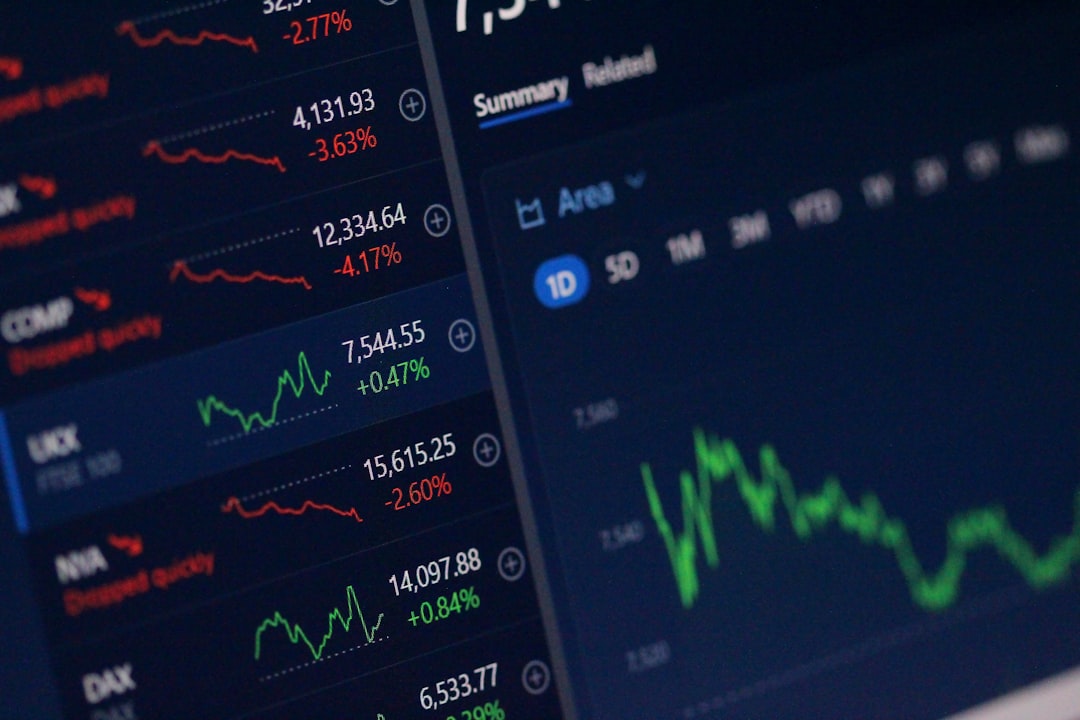
Which brings us to this month. The autumn was euphoric: the chipmaker crossed five trillion dollars in market value, and records fell weekly. Then the AI trade abruptly reversed. The tech-heavy indexes suffered their worst stretch since spring. The highest-flying AI names fell hardest. A famous investor who once starred in a movie about shorting the housing bubble disclosed bets against the sector's darlings. Nothing failed. No deal collapsed. Earnings were, in fact, excellent. The selloff was subtler than failure. The market paused mid-euphoria to price two doubts: what fraction of the future it had already paid for, and whether the circle's revenues would ever be validated by boring, external customers, companies and consumers paying full price with their own money.
Everything rests on that validation. The world's businesses may well absorb this much computing power profitably. The technology is genuinely transformative, and betting against it outright has been a losing trade for years. But "transformative technology" and "correctly priced circle" are different claims. The railroads transformed America and still bankrupted a generation of their financiers. The internet changed everything and vaporized trillions on the way. Infrastructure booms are routinely right about the future and wrong about the invoice.
Three Dials
Three dials say more than the announcements. First, external revenue: the share of AI spending that comes from customers outside the loop, enterprises and consumers, rather than from members of the circle funding each other. Second, conversion: how many letters of intent, backlogs, and frameworks turn into signed, cash-generating contracts. Third, financing: the boom increasingly borrows, through debt markets and private credit, to build data centers. Debt, unlike enthusiasm, has a maturity date.
The bull case is that external demand arrives in time, at scale, at full price. The bear case is the diagram, read literally. In November the market read it literally for the first time. It sold.