
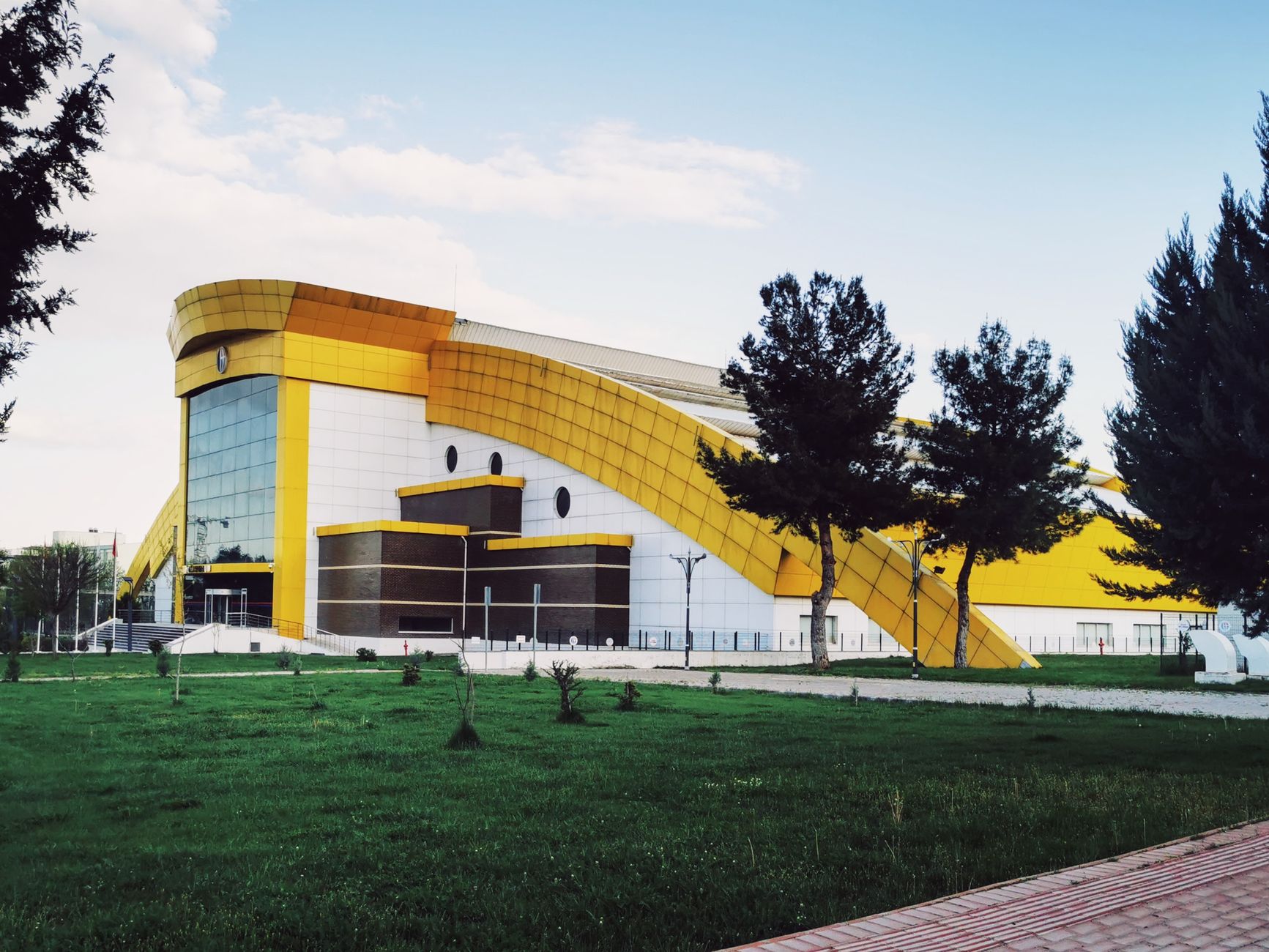
Within an hour's drive of my home in Abu Dhabi, you can walk through the campus of a major New York research university, attend a lecture at a branch of the Sorbonne, and pass buildings flying the flags of universities from three continents. None of these institutions existed here thirty years ago. Most did not exist twenty years ago. They were summoned: funded, built, and staffed at extraordinary speed, by governments that decided, with the directness only oil wealth allows, that if their countries needed world-class universities, they would simply buy them.
I have grown up inside this experiment, and I have written in these pages about what a childhood between school systems teaches. What I want to examine now is the boldest version of that in-betweenness: not a student moving between systems, but entire systems transplanted, wholesale, across the world. In Europe and America, a university accretes over centuries. In the Gulf, one arrives by contract. The imported campuses are the most interesting test anywhere of a deceptively simple question. Is a university a thing you can ship?
The motive is written in every regional planning document: the oil will not last forever, and everyone knows the date is closer than it used to be. The Gulf states are racing to convert hydrocarbon wealth into post-hydrocarbon economies, in finance, logistics, tourism, technology, and every version of that future requires educated people in quantities the region's own institutions could not historically produce. Importing established universities does three things at once. It trains the workforce. It signals seriousness to global investors. And it keeps at home the ambitious local students who would otherwise take their tuition, and often their futures, to London or Boston.
There is a subtler motive as well, familiar to anyone from a small country living beside giants: prestige is protection. A city hosting the campuses, museums, and conferences of the world weaves itself into the world's interests. The university is soft-power infrastructure, as strategic in its way as a port.
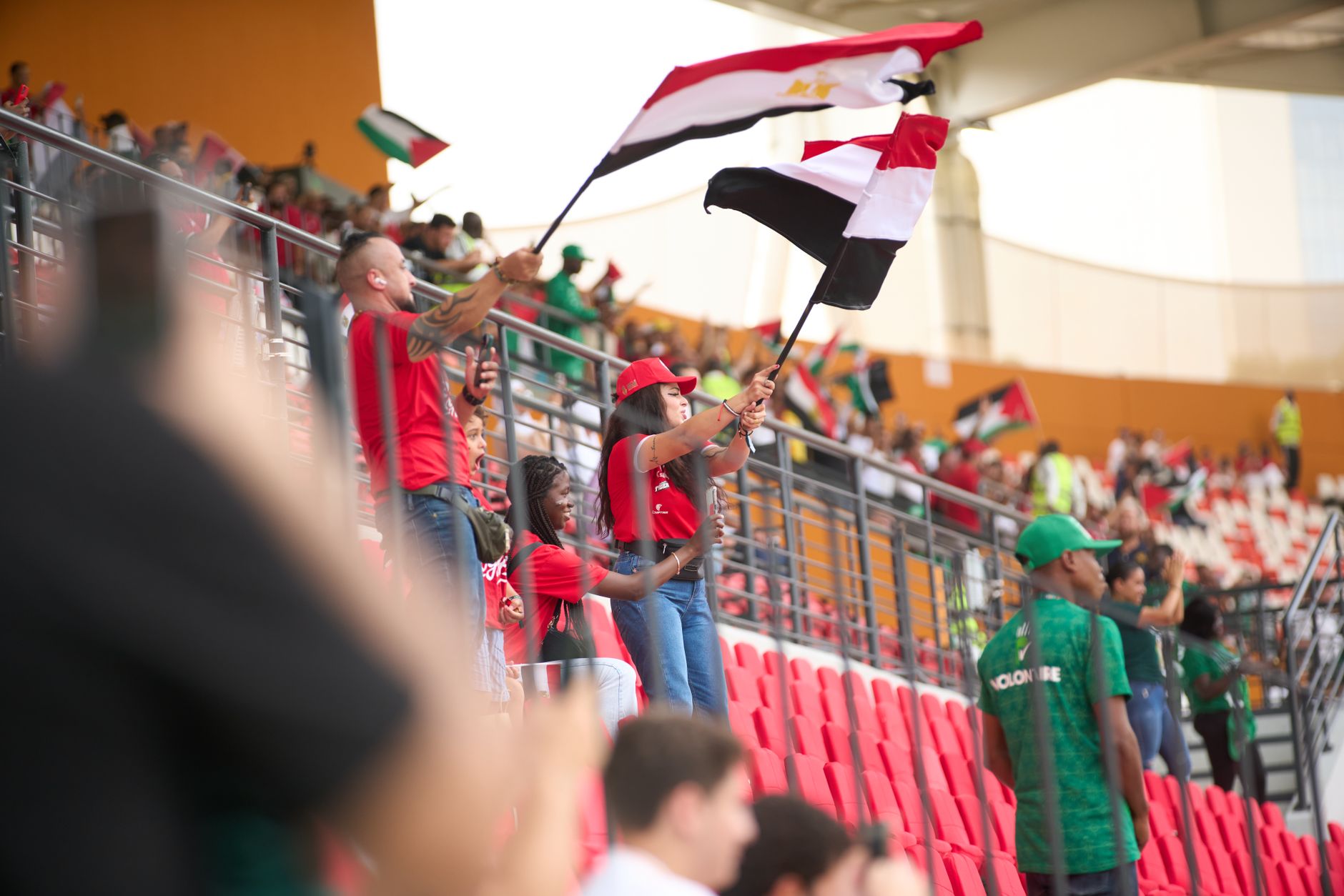
What the money has built deserves honest description, because caricature is easy from far away. The facilities are extraordinary; faculty from the home campuses describe the laboratories and libraries with open envy. The student bodies are among the most international on Earth. My own schooling, with its thirty passports in a classroom, was a preview of these universities, where a seminar may hold no two students from the same country. Serious research happens. Serious teaching happens. For a bright student from Amman, Lagos, Dhaka, or for that matter Seoul, the Gulf campuses offer something real: an elite education, closer to home, often generously funded.
The experiment has already changed its hosts. A generation of Gulf women, in particular, has surged into higher education, outnumbering men on campus in several countries, with consequences for family, work, and society that are still unfolding and, I suspect, unstoppable.
But a university is not only classrooms and faculty. It is a set of habits, and the deepest habit of the great universities is inconvenient: they are machines for protected disagreement. Tenure, academic freedom, the right to research what power finds uncomfortable and to publish what it finds embarrassing. These evolved over centuries, often in direct conflict with the very states that funded them, and they are the component that does not ship easily.
The Gulf campuses live inside states that are generous patrons and firm editors. Certain political topics are handled carefully or not at all. Certain speakers are not invited. Faculty, and in documented cases students and researchers, have learned where the boundaries sit, sometimes at the airport. The home institutions, having taken the funding, absorb recurring controversies about what their branches may say. Defenders argue, not absurdly, that engagement moves boundaries more than boycott ever could, and that the campuses are among the freest rooms in their societies. Critics answer that a university that cannot ask every question is a different institution wearing the same crest. I have sat in those rooms, and I can report that they are freer than the country and less free than the crest implies. Everyone inside carries the unwritten map.
What the experiment is actually testing, I have come to think, is a bundle. The Western research university tied several things together, training, credentialing, research, and dissent, and its history suggests the tying mattered: the same protections that shelter the annoying philosopher shelter the inconvenient data. The Gulf model proposes an unbundling. Import the training, the credentialing, and the research; regulate the dissent. If the unbundled version works, if it produces the engineers, the patents, the diversified economy, a powerful lesson will be drawn far beyond the Gulf, in every capital that would love excellence without argument. If it stalls, it will turn out that the friction was the engine, and that lesson will have been purchased at fabulous expense. The world should watch either way, and without smugness.
I have too much affection for this place, and too much respect for what has been built here in a single generation, to root against it. The city that raised me was itself an experiment nobody believed in. But I notice what I absorbed in those thirty-passport classrooms, the lesson no ministry planned: that every telling has an author, that systems can be compared, that questions travel even when speakers cannot. Education, once imported, does not stay inside its boundaries — which may prove the experiment's most important result, and the one nobody budgeted for.