
Somewhere in the second quarter of Sunday's Super Bowl, with Seattle methodically dismantling New England on the way to a 29–13 win, you could feel the American living room checking its watch. Not for the football. The football was decided early, the Seahawks' kicker setting records while the Patriots set nothing. The watch-checking was for the fourteen minutes in the middle. The commercials had been building it for weeks. The controversy had been building it for months. The game was the preamble. The halftime show was the event.
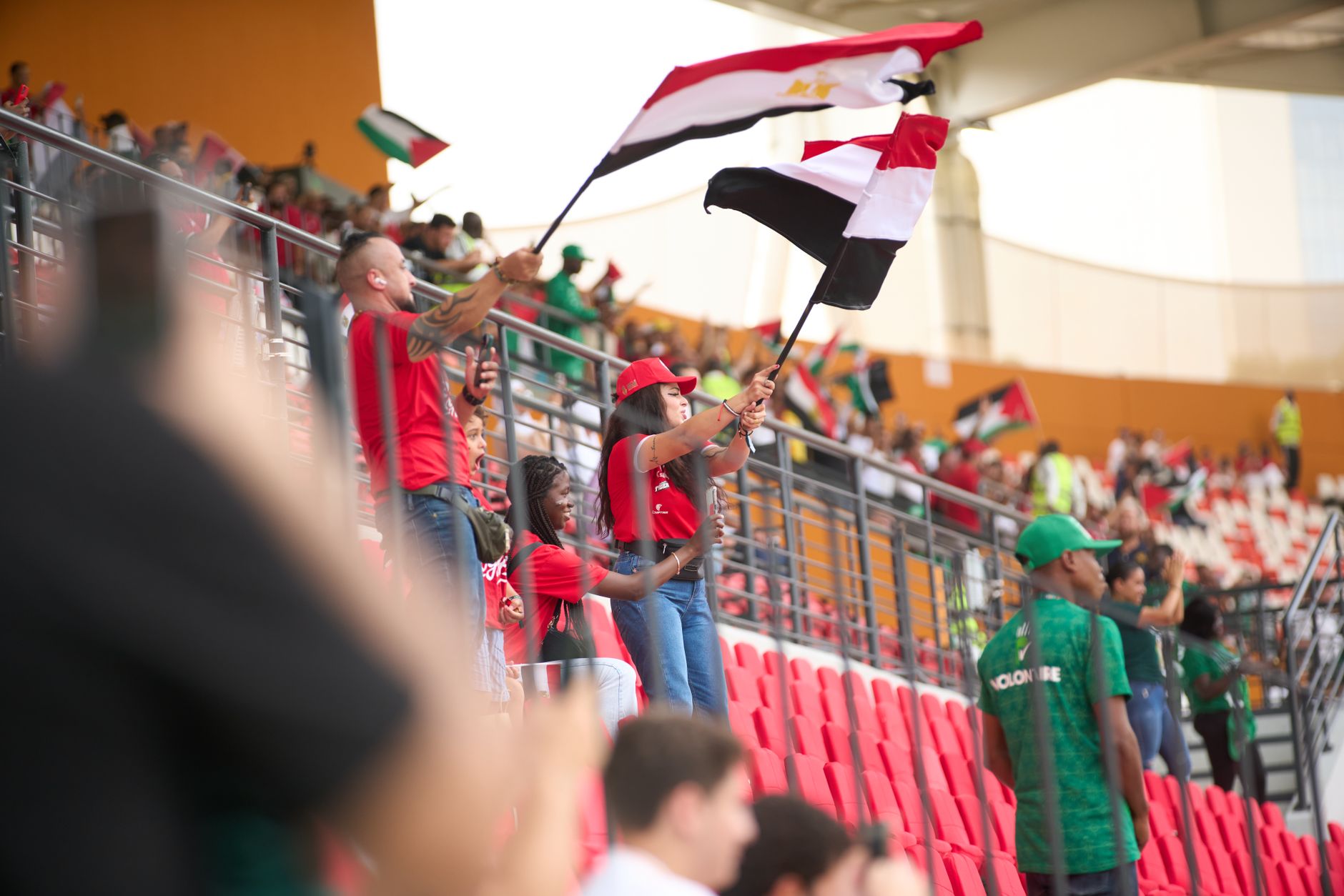
And what an event. Bad Bunny took the stage at Levi's Stadium seven days after winning Album of the Year at the Grammys for the first Spanish-language album ever to take the top prize in the ceremony's history, and delivered a set steeped, defiantly and joyfully, in Puerto Rican culture: the flags, the language, the guest turns from Lady Gaga and Ricky Martin, the whole thing staged as a statement that needed no translation and offered none. Tens of millions of Americans watched a show performed largely in Spanish at the dead center of their most American ritual. A meaningful number of them had spent the preceding months insisting this must not happen. It happened anyway, the world kept spinning, and the clips will outlive everyone's outrage. Clips always do.
The Bathroom Break Gets an Agent
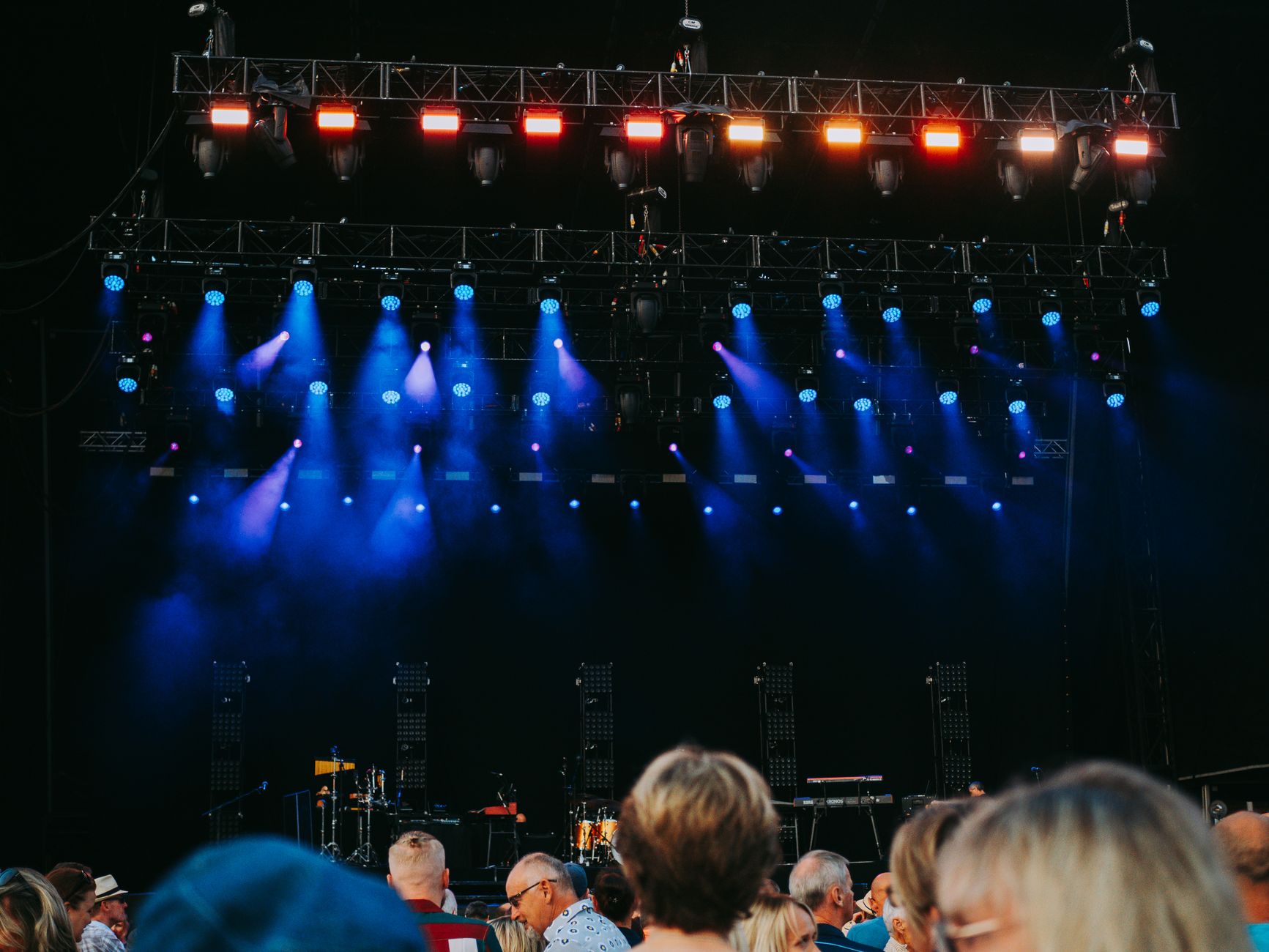
The inversion deserves a plaque, because it's genuinely new. For most of Super Bowl history, halftime was the bathroom break: marching bands, an aging legend, a shrug. The NFL treated it as filler between the halves that mattered. The pivot, usually dated to Michael Jackson in 1993 and perfected in the streaming era, was the league's realization that the game's audience contained a second, larger audience: people who don't care about football but will absolutely show up for a shared national spectacle. The Super Bowl is the last night of the year when a hundred million Americans face the same direction. I wrote in the fall about the death of the monoculture; this is its last reliable resurrection, and the league knows exactly what that scarcity is worth, the way you know what the last parking spot is worth.
So the fourteen minutes became the most valuable stage in entertainment. Unpaid, famously, because the currency isn't the fee. It's the aftermath: the streaming surges, the tour announcements, the week of discourse. The artist plays for free and is compensated in ubiquity, an arrangement I would mock if it weren't also mine with this newspaper.
Everybody Won the Fight (That's the Problem)
This year's aftermath started early. From the moment the booking was announced last fall, the choice of a Spanish-language superstar — one with a history of needling American politics, at a moment when immigration raids were front-page news — was treated by parts of the media as a provocation. There were calls for boycotts, counter-programming, the full ritual apparatus of the modern culture war.
The culture writer's duty at this point is to note, with appropriate professional embarrassment, that every party to that fight got what it wanted. The league got weeks of free anticipation. The performer got the sharpened stakes that turn a concert into a statement; by kickoff, simply singing in Spanish read as an act of meaning, which is an extraordinary gift to hand an artist. And the objectors got the grievance content their ecosystem runs on. Modern spectacle is a machine that converts controversy into attention with almost no waste heat. The fourteen minutes at midfield were the visible tip of a months-long attention economy running at peak efficiency, and everyone cashed out.
The Census Disguised as a Concert
But cynicism about the machine shouldn't obscure what the machine revealed. Album of the Year and the Super Bowl stage, in the same week, for a catalog performed almost entirely in Spanish, is not a stunt. It's a census. Latin music has spent a decade as the fastest-growing force in American listening; the streaming charts stopped respecting the language line years before the institutions did. The Grammys and the NFL aren't leading anything. They're arriving, last and loudest, where the audience already lives — the institutional equivalent of your dad discovering a meme.
The story underneath the discourse is that American mass culture is not being changed by its institutions; it's being measured by them, belatedly. A generation raised on global playlists, subtitled everything, and K-pop stadium tours does not experience a Spanish-language halftime as a departure from American culture. It experiences it as American culture, which, demographically and statistically, it plainly is. The fight was never about the show. It was about whether the mirror was allowed to be accurate.
The Fourteen-Minute Country
There's a version of this column that mourns the football, that notes we've built a national holiday where the game is the interruption. I can't write it sincerely. The game was a blowout; the show was history; the audience sorted the two correctly, the way audiences usually do when nobody's grading them.
What I'd rather file is this: for one night, the fractured audience I keep writing about, the thousand private feeds, the collapsed common culture, reassembled itself, argued in one language about a performance in another, and produced the closest thing this country still has to a shared text. It was loud, commercial, contested, and multilingual. Which is to say: it was a self-portrait. The halftime show is the main event because it's the only mirror everyone still stands in front of at the same time. This year the reflection sang in Spanish, and the reflection was correct.