
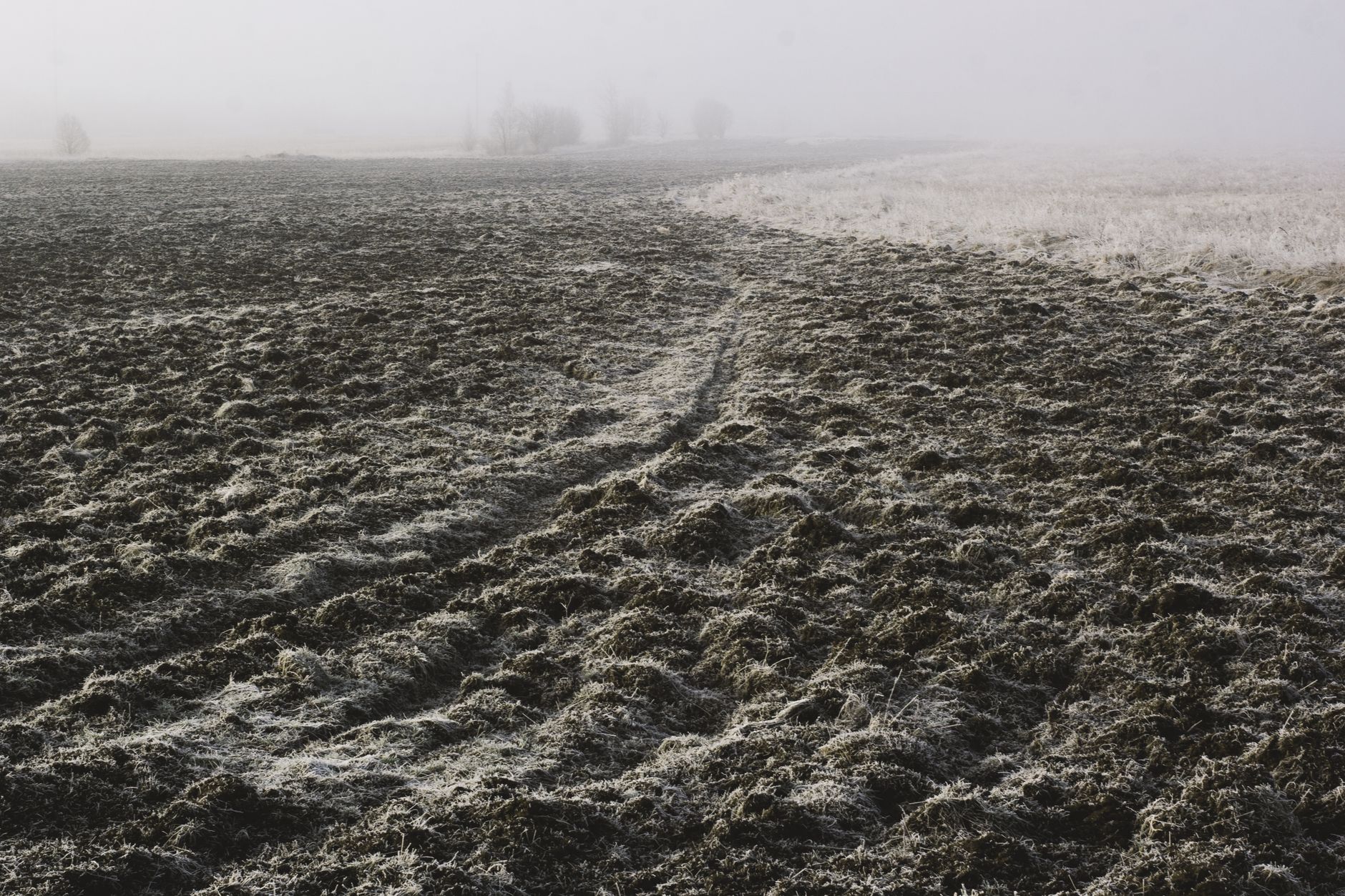
The fog came up out of the fields again this morning and sat over town until nearly ten, and I carried my coffee out to the porch to keep it company. This is winter in south Georgia, in the season of its leaving, and winter in south Georgia is a rumor to begin with. It arrives in late December wearing fog, spends January deciding whether to commit, delivers perhaps one honest freeze — the town discussing it for days, pipes wrapped, propane trucks busy — and by late February it is already backing out the door, apologizing. The daffodils come up before Valentine's Day. The pecan trees, wiser, wait. Nobody here has ever made the mistake of trusting a Georgia February.
I have now spent enough winters here to know the routine, which is itself a strange thing to be able to say. There was a time when this place was entirely new to me, when I wrote in these pages as a self-described newcomer, puzzling over monuments and boiled peanuts and the particular way strangers here call you "baby" at the gas station. Somewhere between then and now, without any ceremony I can point to, the puzzling stopped. The accent I once studied like a text is simply the sound of the town talking now. Nobody hands you a paper for that. Belonging, when it finally came, did not feel like anything at all; the translating just fell away, the way you stop hearing the refrigerator hum.
And this winter, to come to my point at last, I have been trying to pay attention to all of it, with an urgency I could not explain at first and now can. It is the urgency of last times. I don't want to be dramatic about this; the culture writer in me distrusts drama the way the town distrusts February. But there is a particular season of life, and many readers will know it, and the rest will arrive eventually, when you become aware that your ordinary days are converting into memories in real time, right in front of you, while you are still using them. The Friday drives past the stadium lights. The Korean church potlucks where the ajummas load your plate as if famine were forecast. The Waffle House at midnight with people who have known your face since it was rounder. None of it is ending, exactly. But you can feel the tense preparing to change, present shifting toward past perfect, the way you can smell rain before it lands.
Psychologists apparently have a term for savoring things because they're ending; my colleague Gawon informs me the Olympics run on it. I've been running on it since Christmas. It makes the ordinary luminous and slightly unbearable. A gas-station biscuit should not be able to make a person emotional. I am here to report that, under the right conditions, it can.
What has surprised me most is what I find myself hoarding. Not the landmarks, not the murals or the courthouse or the famous fried chicken, but the connective tissue. The sound of a screen door at my friend's grandmother's house. The church parking lot after the English service, where the second generation lingers in our mild, apologetic cold, reluctant to end the one hour a week we are all in one place. The Georgia light in late afternoon in winter, thin and gold, laid over the pines like something being rationed, a spoonful apiece and no seconds. I once interviewed a Korean War veteran who told me that what he remembered of home, across seventy years, was not the big things but "the small weathers." I wrote it down at the time because it was beautiful. I understand it now because it is true.
There is a version of this essay that resolves neatly, the one that says: cherish everything, for all of it is fleeting. I resist that version, partly because it is a greeting card, and partly because it is not quite what these months have taught me. Constant cherishing is not livable; nobody can hold every biscuit sacred. What last times actually teach is more particular. Attention is a decision, and most of us defer it, assuming the ordinary will sit still until we are ready to look. The ordinary does not sit still. The screen door becomes a memory of a screen door on its own schedule, without consulting anybody.
So I have been looking, this winter, on purpose. Taking the long way past the stadium. Saying yes to the potluck. Letting the ajummas load the plate. Writing down the small weathers while they are still weather and not yet memory.
The daffodils are up again, early as always, foolish as always, and spring here does not so much arrive as resume. The life it resumes is, I can feel it, gathering itself toward somewhere else — but that story is for another essay, a little later, when the tense has finished changing. For now there is February, backing out the door, apologizing, and me on the porch in a jacket I barely need, watching it go, keeping the pecan trees company. They wait better than I do. I am learning.