

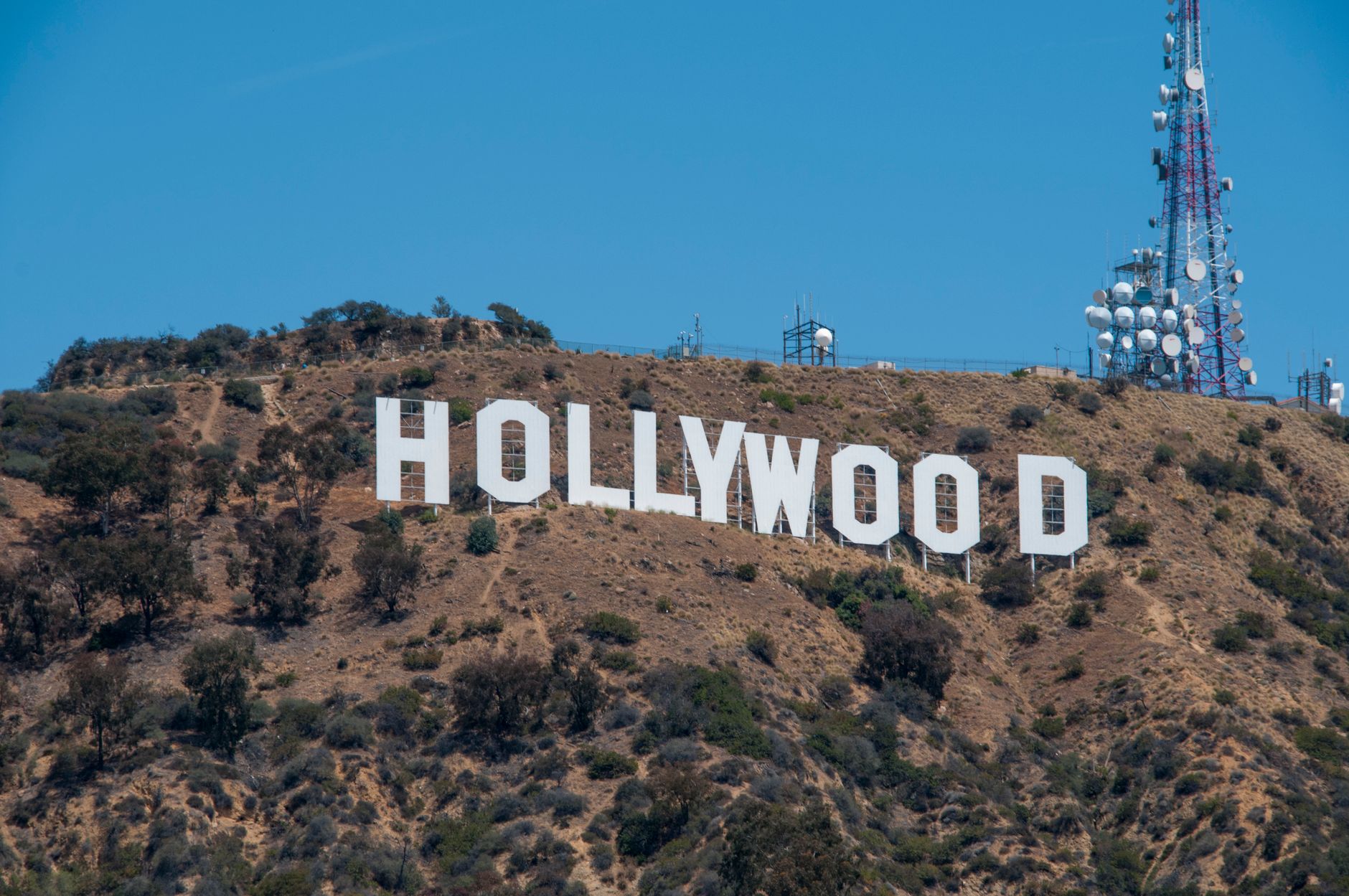
This is my final stretch of columns in these pages, and the business world has obliged with the story of the year: a genuine, old-fashioned, knives-out corporate auction, with Hollywood itself on the block.
The prize is Warner Bros. Discovery. A century of accumulated storytelling capital: the Warner film studio, HBO, CNN, the DC superhero stable. The company put itself in play late last year, and in December it agreed to sell its crown jewels, the studios and streaming business, to Netflix in a deal worth on the order of seventy billion dollars. Hollywood gasped. The disruptor buying the institution. The company that killed the video store acquiring the company that made the movies inside it.
Days later came the twist, worthy of the studio being sold. Paramount, newly fortified by its own merger with Skydance and the wealth of the Ellison family, refused to accept the outcome. It went over the board's head with a hostile all-cash tender offer for the entire company, at a price it dared shareholders to refuse. The bids escalated for two months. Late last week the board capitulated to the number: Paramount's revised offer, roughly $110 billion in cash, was declared superior. Netflix, whose stock is its currency and whose discipline is its religion, declined to chase and walked. Pending shareholder votes and regulatory review, the auction has its winner.
The Asset
Beneath the personalities sits the industry's core economic fact: nobody is building this stuff anymore. A century of beloved intellectual property, the characters, the franchises, a prestige brand like HBO whose name alone signals quality, turns out to be nearly impossible to recreate from scratch at any price. Every entrant in the streaming era learned that lesson expensively. Content libraries are oil fields. New wells can be drilled forever. The proven reserves are finite, mapped, and owned. When one of the last great fields comes up for sale, everyone with a balance sheet shows up.
The two bidders ran different logics. For Netflix, offense as defense: absorb the strongest remaining competitor library, deny it to everyone else, and convert streaming's war of attrition into a coronation. For Paramount and the industrial dynasty behind it, scale or die. Alone, each mid-sized studio faces a future as roadkill between Netflix and the tech giants. Combined, Paramount-Warner would be the largest traditional entertainment company on Earth. Large enough to negotiate with the future instead of surrendering to it.
The Mechanics
The lesson worth keeping from this saga is what each bidder paid with. Netflix offered largely its own high-flying stock. Paper looks expensive, costs the acquirer little while the market's optimism holds, and burns the seller if the optimism fades. Paramount offered cash. Cash is the bluntest instrument in finance, worth exactly its face and immune to doubt. A board weighing paper against cash is really being asked whether it trusts the bidder's story more than the number in front of it. Boards under legal duty to shareholders answer that the same way almost every time. "Certainty of value," as the lawyers say, is the most persuasive phrase in the language of money.
The saga also showcased the hostile tender offer, the corporate equivalent of proposing to someone already engaged by asking every wedding guest individually. Bypassing a board to appeal directly to shareholders is rare, expensive, and reputationally violent. Its occasional success is instructive for exactly that reason. It reminds every board in the world who, in the end, actually owns the company.
The Bill
The confetti obscures the receipt. The $110 billion buys the library. It also buys the declining cable empire attached to the library, plus a regulatory review in a political environment where media deals attract attention for reasons beyond antitrust. History grades mega-mergers of this kind harshly. The last two owners of these very studios wrote down tens of billions in value learning that synergy is a word and integration is a decade of pain. Oil fields still have to be operated, and the industry's record of operating them after triumphant auctions is, to put it gently, mixed.
The deeper story is the homework I would leave for whoever inherits this beat: consolidation itself. Entertainment is compressing from many mid-sized voices into a few giants, because the economics of streaming punish the middle. Each compression trades cultural plurality for corporate durability, and the bill arrives years later, in subtler currency. Fewer buyers for the unusual script. Fewer competitors bidding up the new idea. Fewer places for the next generation to sell its stories.