
Some milestones get a ceremony. Somebody signs a treaty, somebody cuts a ribbon, cameras show up. This one got a spreadsheet. In the yearly reviews of the world's electricity data this spring, one of the great milestones of the industrial age slipped quietly into the record books.
Renewable energy has overtaken coal as the largest source of electricity on Earth.
That sentence carries more history than it looks like it does. Coal has anchored the world's power supply since the very beginning of electrification. Before that, if you count the steam century, it anchored everything else too. And every previous energy "transition" in modern history was really an addition: oil joined coal, gas joined oil, the pie grew, and nothing ever actually declined. This is different. In 2025, by the leading independent tallies, renewables generated about a third of the world's electricity, a hair more than coal, for the first time in the modern record. Fossil generation as a whole edged into decline even while total demand surged. The dirtiest fuel is no longer the biggest one. The crossover did not happen in a treaty hall. It happened in a spreadsheet, which is where the big changes usually happen.
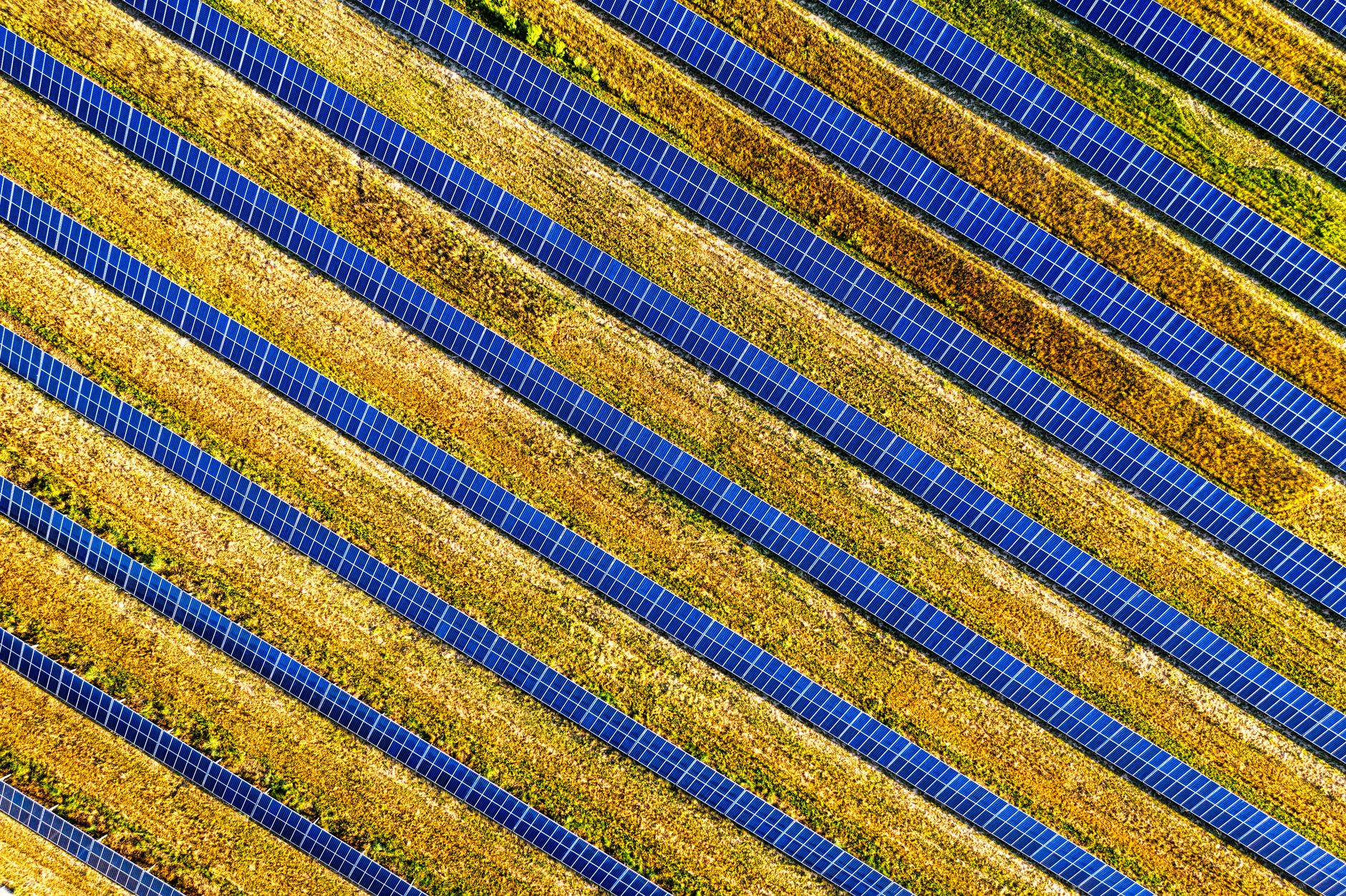
What did it was nothing dramatic. Solar got cheap. It has spent two decades getting relentlessly cheaper, on a curve where every doubling of installed capacity cuts prices by about a fifth, until it became, across most of the world, the cheapest electricity humanity has ever produced. Last year alone, solar grew by an amount that would have powered whole countries a generation ago. It has been the largest source of new electricity growth for years running, and batteries are now riding the same falling curve about a decade behind.
I want to stay on how boring that is, because the boring part is the lesson. The solar century was not won by summits or slogans. It was won by factory engineers shaving cents per watt, by installers learning to mount panels in hours instead of days, by plain procurement auctions in sunny countries where the low bid kept coming back photovoltaic. The idealists opened the door. The price walked through it. And a price does not get tired, does not lose elections, and does not care who is president anywhere.
That last point matters extra this particular spring. The crossover arrived in the same season that the world's second-largest emitter completed its exit from the Paris Agreement and began dismantling its own climate rulebook, developments my colleague Ethan will address in these pages next week. Those two facts, side by side, say the strangest thing about the energy transition: policy can speed it up or slow it down by years, but the cost curves have moved out of any single government's reach. Sunlight is not a policy. It is a price, and it keeps falling.
The fine print
Every milestone has some, and this column's rule is to read it out loud. Three items.
Electricity is not energy. Power grids are the easiest part of civilization to clean up, and electricity is only about a fifth of the energy the world actually ends up using. Steel, cement, planes, ships, and heating still run overwhelmingly on fossil fuels. We have gotten over the first hill, and it is a long range.
The average hides the hours. Renewables lead on the yearly total, but the grid has to balance every minute, and the sun still sets on schedule. Until storage finishes its own trip down the cost curve, fossil plants remain the system's shock absorbers. That is why this beat keeps coming back to batteries, from the giant desert farms to the one in your basement I wrote about in the fall.
And growth is a treadmill. Global electricity demand is surging: electric cars and heating, air conditioning in a warming world, and the data-center boom this paper has covered extensively. Clean power has to outrun not just coal but the growth itself. Last year it did, barely. That race runs again every year.
Still. I started this column in October writing about how the grid was reorganizing itself from the bottom up. Six months later the top has flipped too, and nobody threw a parade. No anthem, no ribbon, no monument. The news made the trade press and sank under the spring's louder emergencies.
So let this column be the small ceremony the moment didn't get. Sometime in 2025, a century and a half of carbon's reign over electricity ended, and the successor was the sky. The kids in classrooms this morning will live most of their lives on the far side of that crossover, and some of them will find it hard to believe the old arrangement ever existed, the way we squint at photographs of cities lit by gas lamps.
The big changes rarely feel like anything on the day. They feel like a Tuesday. It was probably a Tuesday: somewhere a spreadsheet got saved, and in one cell of it, one number finally sat above the other number, for the first time in the history of electric light.