
Of all the education policies I collect, none has spread faster than this one. In a few short years, the school phone ban has gone from the eccentric rule of a few strict headmasters to something written into national law, and 2026 is the year the statutes arrived in force. The documents are now thick enough to sort, so here they are, side by side.
Exhibit A, Seoul. In August 2025 the National Assembly amended the Elementary and Secondary Education Act, 115 votes to 31 with 17 abstentions, and the change took effect with the school year this March. The core of it is one sentence, Article 20-5: students may not use phones or other smart devices during class. Exceptions exist for students with disabilities, for educational use, for emergencies, and wherever a principal or teacher grants permission. Everything else, breaks, lunch, storage, parent contact, is left to each school's own rules. One critic writing in February argued that this leaves schools to improvise, and proposed a standard rule issued from above.
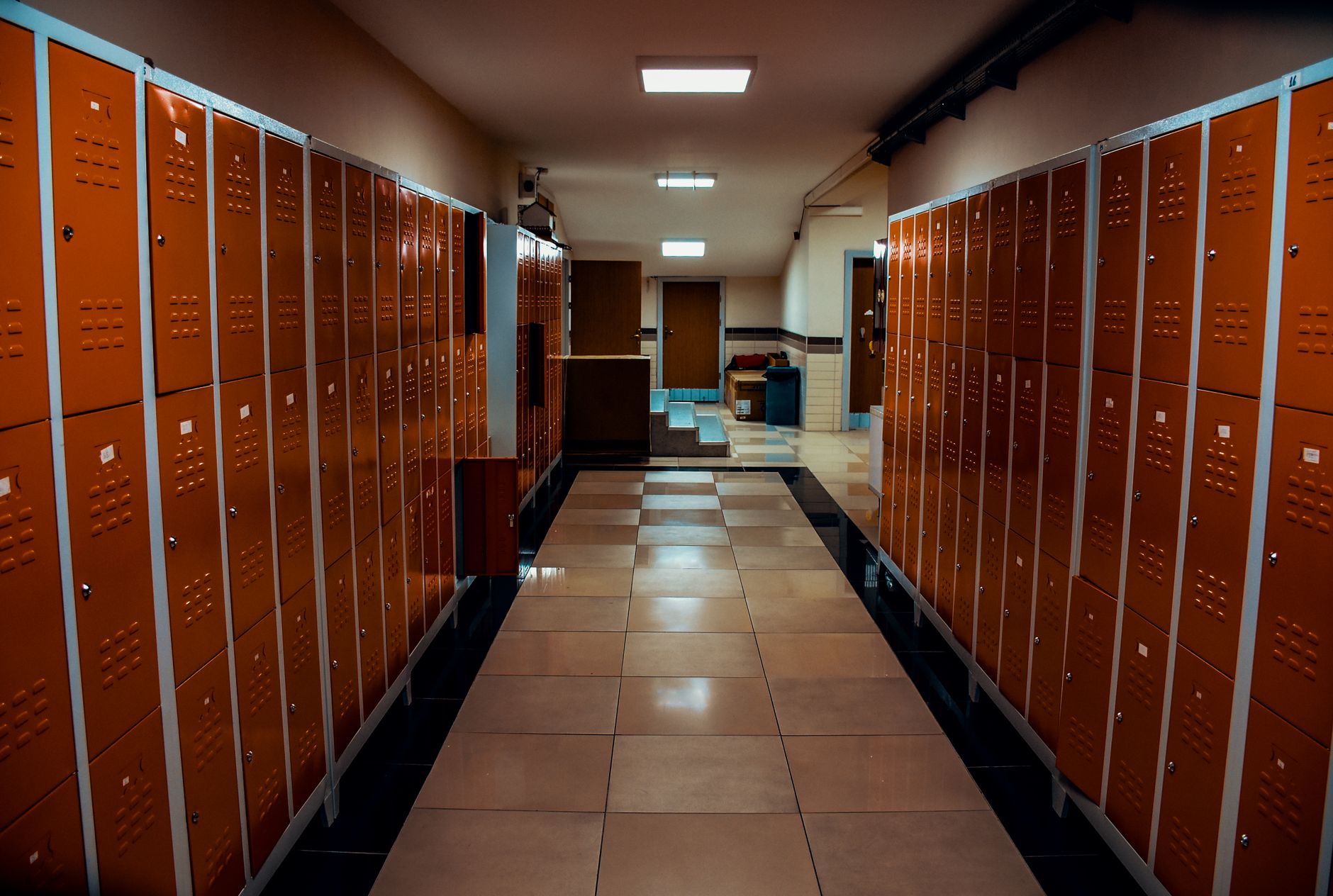
Exhibit B, Paris. France banned phones in primary schools and collèges back in 2018. On September 1 this year, the ban reached the lycées. The government's own guidance gets concrete about the hardware, offering examples: individual lockers where phones are deposited on arrival, a shared box, or a pouch locked at the gate and unlocked on the way out. Each lycée chooses, writes the choice into its internal rules, and may carve out exceptions; medical use is always allowed. Breaches are to be met with a graduated, personalised and proportionate response. President Macron's line was lofty, that a school without phones means recovering the serenity of learning. His education minister, Édouard Geffray, was more candid, admitting the rule could be "un peu difficile à faire respecter au début," a little hard to enforce at first. The ban arrived alongside a law whose main provision, keeping under-15s off social media, was struck down by the Constitutional Council in August. The phone rule survived.
Exhibit C, the Netherlands, with a national ban since January 1, 2024. A government-commissioned survey of 317 secondary schools found that about three-quarters reported better concentration, nearly two-thirds a better social climate, and about a third better academic performance.
Exhibit D, the United States, where there is no national rule but there is a stampede. By March of this year, according to Ballotpedia's tracker, 41 states had passed laws addressing phones in school, and 33 of them impose actual limits. Florida's 2023 law was the first. Kansas became the thirty-third this spring.
Now the comparison my desk cares about. Korea legislated a principle and delegated the practice. France legislated a principle and specified the practice, down to the pouch. The Dutch and American documents fall in between. But nearly every one of them treats the same question as settled: that removing the phone helps.
The evidence file is thinner than the policy file. Look closely at the Dutch numbers: they are what schools reported about themselves, not measurements of students. The most careful study I have found complicates the story. Researchers at the University of Birmingham compared 1,227 pupils aged 12 to 15 at 30 English secondary schools, twenty with restrictive phone policies and ten without. Students at the restrictive schools used their phones less during the school day, as one would hope. But their mental wellbeing did not differ, and neither did their overall phone and social media use. The authors concluded that their findings "do not provide evidence to support the use of school policies that prohibit phone use during the school day." It was a snapshot, not a trial, and it cannot settle the question. It can unsettle the consensus.
I do not file this as an argument against bans. The modest case for them, that a lesson goes better without a glowing distraction under every desk, needs no study to be reasonable, and that is precisely the case Korea's one sentence makes. The ambitious case, that a locker at the school gate will repair adolescent mental health, is the one governments keep implying and the evidence does not yet support.
For the record: the phone has been taken out of the classroom by law on three continents. Where it goes, a locker, a box, a pouch, is now well documented. What happens to the student is the file still waiting to be filled.